Image generated with Ai
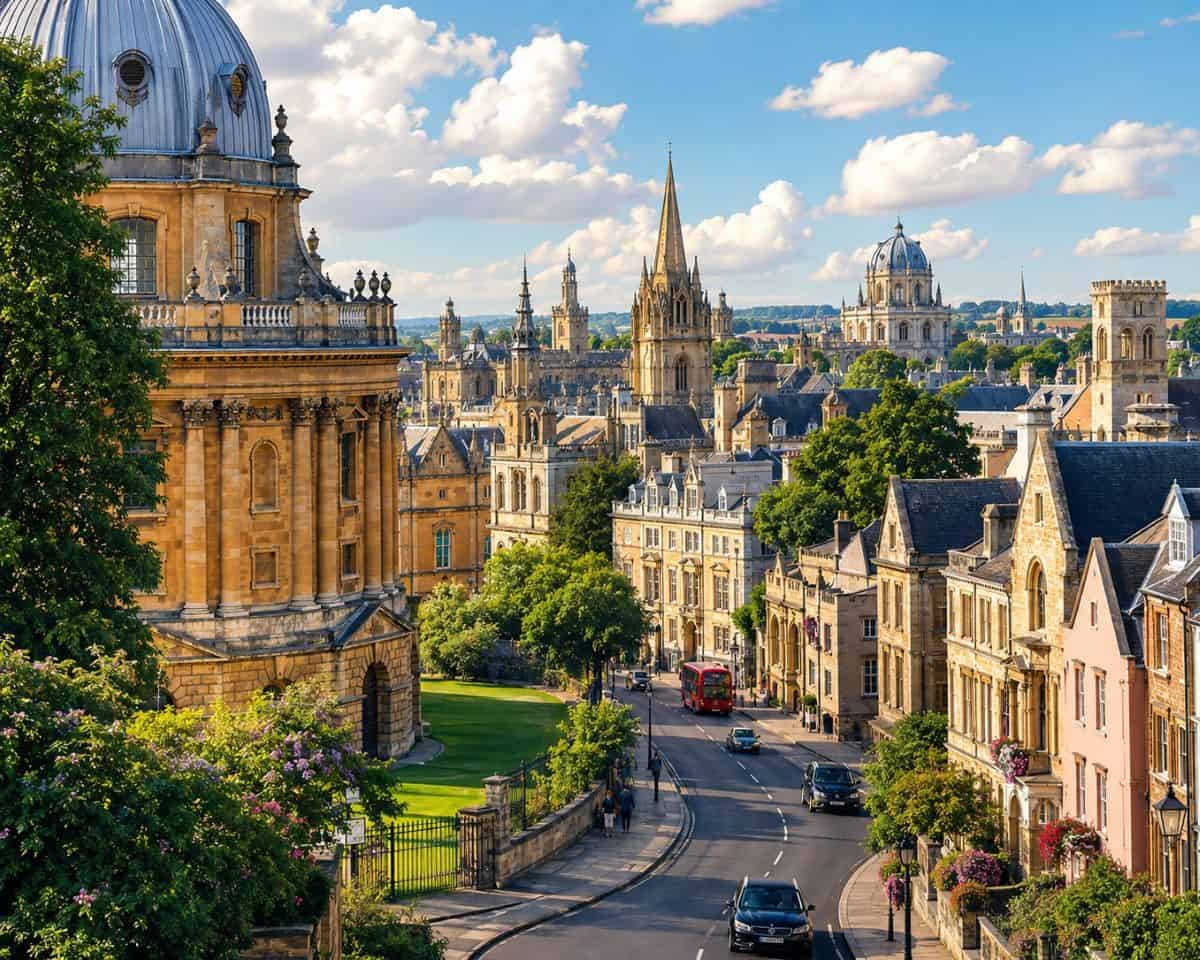
It is indescribable to experience at once the collective thousands of years of human emotion. Walking in the historic sites of England is walking into the past. You can see England’s centuries of history in its ancient stone structures and the lush and beautiful scenery. The combination of old and new in England’s history and modernity, from the Neolithic and Roman eras to recent inventions and art, makes England the deserved center of tourism. Because people like to travel to beautiful places that have old history, the call of England is even more appealing since the rest of the world is rapidly modernizing.
Strategic Heritage Protection as a Vital Economic Engine for Regional European Destinations
Advertisement
The ongoing commitment to land stewardship and historical preservation across England establishes an influential benchmark for destination management organizations across the globe. Industry observers noted that safeguarding delicate natural reserves and ancient monuments directly elevates the perceived value of regional travel experiences. When local municipal authorities invest heavily in protecting historical footprints, international travelers demonstrate a far greater willingness to extend their stays and allocate higher financial budgets toward immersive cultural experiences. This fundamental economic shift encourages civic leaders worldwide to prioritize environmental conservation over high-volume, destructive mass tourism operational models.
Furthermore, this sustainable approach actively mitigates the adverse effects of seasonal overtourism by distributing visitor footfall far more evenly throughout the entire calendar year. Industry analysts highlighted that travelers who seek out educational, nature-based journeys are far less dependent on peak summer weather conditions, thereby supporting regional economies during traditional off-peak autumn and winter months. By transforming historic sites into vibrant centers for lifelong learning and ecological awareness, destination managers cultivate a resilient economic ecosystem that shields local communities from volatile global market fluctuations while ensuring the permanent protection of irreplaceable cultural assets.
Advertisement
Advertisement
The Evolutionary Shift in Global Traveler Demographics and Sustainable Destination Demand
The rapidly changing preferences of global explorers are fundamentally reshaping the broader hospitality sector, with an unprecedented emphasis now placed on authenticity and personal growth. Modern holidaymakers actively reject standardized, superficial itineraries in favor of deep, meaningful engagement with native environments and localized heritage. This behavioral evolution forces international tour operators to comprehensively redesign their core travel offerings, replacing generic sightseeing excursions with structured, educational experiences that highlight community history and environmental conservation! Consequently, regions that possess a rich synthesis of scenic natural trails and ancient architecture stand at the absolute forefront of this global commercial pivot.
Moreover, this structural transition heavily influences strategic capital allocation across the global hospitality investment market. Modern private equity funds and international hotel developers now consistently prioritize eco-friendly accommodations, low-impact public transportation networks, and heritage-focused boutique lodging options. As discerning travelers demand verifiable sustainability metrics from service providers, businesses that fail to fully integrate environmental ethics face severe risks of long-term commercial irrelevance. The global market effect is remarkably profound; destinations that successfully align historical preservation with eco-friendly hospitality attract the most lucrative, conscientious, and loyal tourist demographics worldwide.
Transforming Global Travel Planning Through Educational Heritage and Natural Conservation
Advertisement
Advertisement
The integration of historic preservation and natural conservation serves as a powerful catalyst for revolutionizing how international itineraries are constructed. Travel organizers report that modern vacationers no longer view historical sightseeing and outdoor recreation as separate travel activities, but rather as interconnected components of a holistic cultural journey. This emerging consumer behavior inspires travel planners across Asia, North America, and South America to build multifaceted packages that pair ancient structural tours with guided ecological treks. As a result, destination management organizations are restructuring their marketing strategies to highlight the seamless co-existence of historic monuments and surrounding natural reserves.
This educational focus also generates a profound psychological impact on international tourists, fostering a global mindset rooted in environmental responsibility and cultural appreciation. Travelers who experience carefully managed heritage landscapes bring these conservation values back to their home countries, creating an expanding global network of eco-conscious consumers. Furthermore, educational tourism model implementations encourage longer length-of-stay metrics, which reduces the carbon footprint per travel day while maximizing direct economic contributions to local artisans, conservationists, and family-owned businesses. This systemic alignment between education, conservation, and commerce represents the modern gold standard for international travel development.
The Cultural Epicenter: London’s Living History and Global Architectural Heritage
The sprawling capital city of London represents a remarkable synthesis of ancient urban planning and contemporary architectural ingenuity. Analysts pointed out that remnant Roman walls stand directly alongside soaring glass skyscrapers, creating a visually striking dialogue across the urban skyline! The capital continually transforms its cultural presence while honoring its deep historical roots. Major public institutions, such as the Victoria and Albert Museum and the British Museum, preserve expansive collections detailing humanity’s artistic journey, while offering accessible learning through free admission policies for visitors from every corner of the world.
The cityscape boasts monumental structures that reflect significant political, spiritual, and social revolutions occurring over many centuries. Iconic architectural monuments, including the Tower of London, Westminster Abbey, and St. Paul’s Cathedral, serve as fundamental anchors for international historical sightseeing. This extraordinary concentration of historic assets influences global guest expectations while driving substantial consumer revenue into public transport, boutique lodging, and local culinary networks. As global tourism trends shift toward immersive cultural learning, this urban historical model serves as a vital foundation for international travel markets.
Ancient Waters and Roman History Britain: Preserving Heritage and Thermal Wellness in Bath
The picturesque city of Bath stands out as an exemplary destination where ancient civilization intersects with refined architectural elegance. The settlement achieved major historical significance when ancient Romans built the luxurious bath complex known as Aquae Sulis to utilize natural hot springs. Today, the city remains internationally celebrated for its exceptional Georgian architecture, characterized by sweeping stone crescents and stately townhouses crafted from golden local limestone. Observers noted that although the ancient Roman Baths are strictly preserved historical monuments where public swimming is prohibited, travelers can immerse themselves in identical mineral waters at the nearby Thermae Bath Spa.
This deliberate preservation of ancient wellness sites provides a groundbreaking framework for the global heritage travel industry. Modern international tourists increasingly demand destinations that integrate verified historical authenticity with restorative health experiences! Consequently, regions that safeguard unique historical treasures while offering modern luxury continue to outpace conventional vacation markets. By protecting these irreplaceable structural marvels, local municipal authorities ensure that historical appreciation and eco-conscious wellness travel remain vital pillars of the regional economy.
The White Sentinels: Coastal Hiking England and the Vibrant Energy of Nearby Seaside Communities
The southern coast of England features astonishing geological formations that significantly impact regional trekking trends across Europe. Experts highlighted that the stunning four-mile stretch of white chalk cliffs known as the Seven Sisters, situated within the South Downs National Park, remains a premier destination for coastal hiking. Rising dramatically above the surging waves of the English Channel, these majestic cliffs draw outdoor enthusiasts seeking breathtaking panoramas alongside challenging hiking trails. Walking along these dramatic paths allows travelers to connect directly with native species while witnessing the raw power of coastal erosion first-hand!
In close proximity to these peaceful chalk cliffs, the lively coastal town of Brighton presents a dynamic cultural contrast rich in artistic flare. Industry experts observed that local tourism revolves around iconic landmarks, such as the historic Palace Pier and the famous shopping lanes known as The Lanes. The seaside city has long thrived as a welcoming sanctuary for independent artists, innovative thinkers, and the LGBTQ+ community. This seamless combination of rugged coastal trails and progressive urban culture forms an exceptionally attractive travel model that encourages extended stays and stimulates financial growth across local hospitality businesses.
The Final Verdict
Appreciating the journeys of the past reminds us that the travelers of the past built the foundations on which we now walk. Travel is built on the idea of a connection with all the inhabitants of the Earth, and should not be viewed as a pastime of crossing locations off a list. Ancient ruins draw us towards the past like the nature surrounding us. Springs that bubble and boil with geothermal activity reflect the connection between the past, present, and future. While our society today has made travel effortless, we must strive towards being more conscious about the way we travel. The beauty of all the timeless places on Earth allows the spirit of travel to never die. The promise of ancient and beautiful lands is what makes travelers want to explore. These places are like a present to the ancient spirit of the Earth to encourage people to appreciate it more.
Advertisement
Advertisement
Advertisement












Wednesday, September 2, 2026

Wednesday, September 2, 2026

Wednesday, September 2, 2026

Wednesday, September 2, 2026

Wednesday, September 2, 2026

Tuesday, September 1, 2026
Wednesday, September 2, 2026

Wednesday, September 2, 2026