
El Salvador Travel Technology Budgets Transform As AI And Costs Surge Across San Salvador, Costa del Sol And More Cities, All You Need To Know

Published
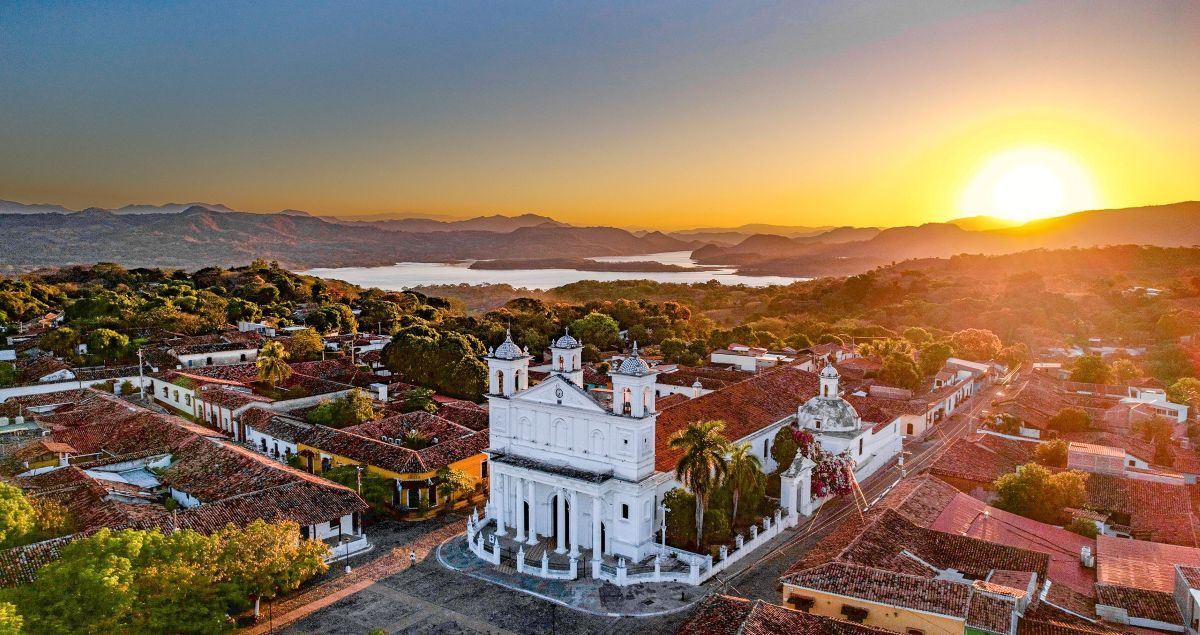
Image Credit elsalvador.travel
Walking through the bustling streets of San Salvador or feeling the salty breeze, at Mizata Beach you can feel that something extraordinary is happening here. El Salvador has completely transformed, welcoming millions of travelers who want to experience its magic firsthand.. Behind those stunning resort views and booming tourist numbers hotel owners are facing a wild fast-moving reality. To keep up they are radically rethinking their tech budgets pouring heart and soul into AI tackling rising costs head‑on and fixing messy data systems just to keep pace with the incredible wave of visitors.
How Is El Salvador’s Monumental Tourism Surge Creating Urgent Technology Demands Across Local Hotels in San Salvador and Mizata Beach?
El Salvador’s dramatic leap in safety and its prestigious designation as a rising global tourism hub highlighted by high-profile international events and surging foreign direct investment have put immense pressure on local hotel infrastructure. This remarkable transformation requires properties in San Salvador and Mizata Beach to scale rapidly while keeping pace with global standards, forcing management teams to rethink traditional operational workflows entirely.
Advertisement
Advertisement
Backed by aggressive government initiatives pushing for widespread digital transformation and AI integration, such as national automated investment platforms like NIX 2, the private hospitality sector is facing parallel expectations from tech-savvy global travelers. However, many independent and mid-scale hotels across the country face a stubborn operational bottleneck: managing explosive reservation growth using fragmented, legacy property management systems that fail to talk to modern channel managers or data analytics tools. Therefore, adopting robust digital solutions has become a non-negotiable requirement for survival in a fiercely competitive Central American market, ensuring long-term resilience against unexpected economic turbulence.
Why Has Artificial Intelligence Become the Ultimate Budget Priority for Salvadoran Hoteliers Across Coastal Resorts?
Advertisement
Advertisement
Artificial Intelligence has successfully transitioned from an experimental novelty to a core line item in progressive Salvadoran hotel budgets, revolutionizing daily operations across coastal resorts. Progressive hoteliers are allocating substantial funds toward three primary AI pillars that directly optimize revenue and elevate the overall guest experience.
With tourism demand fluctuating dramatically between surf seasons, holiday periods like Semana Santa and December, and busy business travel weeks, AI-driven pricing algorithms are being deployed to maximize Revenue Per Available Room in real time. Furthermore, automated AI concierges and multilingual virtual assistants are being integrated to handle booking inquiries, upsell local eco-tours, and manage guest relations twenty-four hours a day, effectively offsetting local hospitality talent shortages while meeting traveler demands for instantaneous service.
How Are Rising Costs and Strategic Financial Re-Allocation Transforming Property Investments Throughout the Region?
As capital and operational costs rise across the region, hotel chief financial officers and general managers in El Salvador are forced to balance aggressive tech spending with strict financial discipline. Navigating this economic tightrope demands innovative approaches to financial planning and resource management throughout the region.
Upfront investments for cloud-native software and robust hardware integrations require careful phasing, prompting properties to pivot toward Software-as-a-Service subscription models that convert massive capital expenditures into predictable operational expenditures. Additionally, energy costs represent a major chunk of a hotel’s operational overhead in Central America, leading Salvadoran hoteliers to channel tech budgets into smart-room internet of things sensors and AI energy management tools that automatically scale down power usage in vacant rooms to directly counter utility inflation.
What Makes Seamless Data Integration Essential for Modernizing the Salvadoran Hotel Tech Stack in Major Destinations?
Advertisement
Advertisement
The ultimate cornerstone of modernizing El Salvador’s hotel tech stack is breaking down stubborn data silos that historically hampered cross-departmental communication and efficiency in major destinations. Historically, disparate systems including booking engines, Point of Sale terminals, housekeeping software, and Customer Relationship Management databases operated completely independently.
Hoteliers are actively redirecting critical funds toward application programming interface-first architectures that allow seamless data flow between channels, ensuring guest preferences logged at the front desk are instantly reflected in housekeeping or restaurant modules. Moreover, with international visitors expecting exceptionally high standards of digital privacy, investments in robust cloud security, data governance, and secure payment gateway integrations have become non-negotiable budget items that protect both the property and its guests.
How Private Capital Injections and International Hospitality Brands Are Fueling Regional Development Across San Miguel and Coastal Strips
The private hospitality sector across El Salvador has witnessed unprecedented momentum, driven by a massive influx of capital injection metrics from international hotel chains and global investment groups. Private sector responses have triggered over $200 million USD in fresh hotel and resort developments, profoundly changing the architectural and commercial skyline of the country. Major global hospitality groups including Marriott, Hyatt, and InterContinental are actively deploying capital into secondary markets like San Miguel and bustling coastal strips, successfully expanding beyond the capital to capture decentralized regional demand. This wave of development reflects a deep corporate confidence in the country’s economic trajectory, ensuring that modern accommodations meet the expectations of affluent global travelers arriving on our shores. Furthermore, regional authorities note that these investments create resilient local supply chains, linking rural agriculture and construction directly to world-class tourism operations.
In What Ways Is Tourism Expanding Its Footprint Within the National Economy and Driving Gross Domestic Product Growth?
Tourism’s direct contribution to El Salvador’s Gross Domestic Product has escalated sharply, moving from approximately 6.4% pre-pandemic to a projected 14% of national GDP. In Q1 alone, total international tourism revenue reached $871 million USD, representing a remarkable 19% year-over-year increase, putting total annual revenue figures firmly on track to cross the $4 billion USD threshold. This explosive macroeconomic shift demonstrates how structural safety transformations and coordinated government initiatives have transformed leisure travel into a primary pillar of national wealth generation. Local economic analysts emphasize that this surge distributes wealth far beyond urban centers, empowering coastal communities, artisan markets, and independent tour operators. Consequently, tourism acts as a powerful catalyst for employment stability and infrastructural modernization across the entire country.
Advertisement
Advertisement
How Are Logistics Scaling at the Monseñor Óscar Arnulfo Romero International Airport to Support Hotel Occupancy Patterns?
With air transport handling over 5.2 million passengers annually, accounting for roughly 44% of total visitor entries, the government’s $195 million USD investment into airport expansion is directly driving hotel occupancy patterns. Direct flight route additions from international hubs like Madrid and Houston require hotels to integrate automated flight-tracking APIs into their reservation systems for real-time guest check-in synchronization. This seamless connectivity ensures that incoming travelers experience zero friction when transitioning from arrivals at the terminal to executive or boutique resort check-ins across the region. Airport authorities have prioritized advanced luggage handling terminals and expanded pre-check zones to guarantee that peak travel hours never compromise passenger comfort. Ultimately, these robust logistical improvements reinforce El Salvador’s status as Central America’s premier aviation and tourism crossroads.
Why Are Engineering Teams Earmarking Property Tech Budgets for Climate Technology and Coastal Environment Mitigation?
Properties situated along high-moisture coastal strips like El Tunco, Mizata Beach, and the Costa del Sol face a 30% higher rate of HVAC and metallic corrosion compared to inland urban properties in San Salvador. Consequently, engineering teams are earmarking up to 15% of annual property tech allocations exclusively for IoT-enabled atmospheric sensors and smart corrosion-mitigation infrastructure to protect vital mechanical assets. These proactive technology investments prevent unexpected infrastructural breakdowns in harsh saline environments, ensuring uninterrupted comfort for guests staying at luxury beachside resorts. Maintenance directors rely on continuous data feeds to monitor humidity levels within coastal guest rooms, dynamically adjusting climate controls to preserve structural integrity. Therefore, smart environmental engineering has become an indispensable line item for safeguarding long-term property valuations in Surf City corridors.
How Are Local Hoteliers Bridging the Hospitality Talent Gap Through Workforce Transformation and Digital Literacy Investments?
Despite national employment generation initiatives—such as Proyecto Azule on the Costa del Sol creating over 3,000 direct and indirect jobs—hoteliers report a structural shortage of administrative tech talent. Modern properties are actively addressing this operational challenge by dedicating 5% to 8% of operational payroll budgets to mandatory, continuous cloud platform certifications for local front-desk and housekeeping personnel. These targeted training regimens empower local hospitality workers to master complex property management software, revenue optimization dashboards, and automated guest communication channels. By upskilling the domestic workforce, hotel management ensures that cutting-edge software investments yield maximum efficiency and superior guest satisfaction scores. Ultimately, investing in human capital bridges the divide between rapid technological adoption and traditional Salvadoran hospitality warmth.
Advertisement
Advertisement
What Role Do Smart-Room Internet of Things Sensors Play in Combating Energy Cost Inflation and Delivering Rapid Return on Investment?
Energy costs constitute up to 22% of total operational expenditure for mid-scale and luxury hotels across Central America, prompting management teams to seek aggressive utility savings. By deploying smart-room IoT sensors that automatically govern climate control and lighting based on actual occupancy status, Salvadoran properties are recording a 14% to 18% drop in monthly utility overhead. These automated hardware retrofits achieve full financial return on investment within just 14 months, shielding hotel profit margins from unpredictable regional utility tariff fluctuations. Engineering supervisors note that guests appreciate the instantaneous, eco-friendly adjustment of room environments upon entry without manual thermostat hassles. Consequently, green technology integration has evolved from an environmental talking point into a cornerstone of rigorous financial management.
Why Are Salvadoran Hotels Scaling Cybersecurity Spending and Cloud Security Budgets to Ensure Data Compliance and Sovereignty?
With international travelers comprising over 83% of overnight guests staying one night or longer, data compliance standards have tightened significantly across the hospitality sector. Salvadoran hotels are redirecting capital toward secure cloud payment gateways and encrypted guest registries, scaling cybersecurity spending by an estimated 25% year-over-year to meet strict regional digital privacy expectations. Protecting sensitive consumer financial records and international passport data is critical for maintaining global brand trust and avoiding costly security breaches. IT directors deploy multi-layered encryption protocols across booking engines and property management interfaces to safeguard information from sophisticated cyber threats. Therefore, robust digital governance protects both the operating enterprise and its discerning global clientele.
How Has the Transition from Capital Expenditures to Software-as-a-Service Subscription Models Revolutionized Mid-Scale Hotel Operations?
Over 65% of independent mid-scale hotels previously relied on fragmented, locally hosted desktop servers that carried prohibitive upfront maintenance costs and frequent operational bottlenecks. By transitioning to cloud-native Software-as-a-Service subscription tiers, properties have successfully lowered initial software deployment barriers by 40%, transforming erratic capital expenditures into predictable, manageable monthly operational overhead. This financial restructuring allows independent operators to allocate precious capital toward guest-facing improvements rather than maintaining bulky server closets on-site. Cloud flexibility ensures that even boutique properties in rural or emerging destinations enjoy instant software updates and enterprise-grade system reliability. Ultimately, the SaaS revolution democratizes advanced hospitality technology for every tier of the Salvadoran lodging market.
Advertisement
Advertisement
The Final Verdict
Watching this amazing change happening in tourism across El Salvador makes my heart feel something good. From the spirit of San Salvador to the calm and nice beaches of Mizata Beach hotel workers are putting all their love into a big new future that uses technology. They are not just changing software; they are keeping their dream alive. Building a friendly place for everyone. This path needs strength and feeling but as AI and easy to use data help the way the future of hospitality in El Salvador looks better and stronger, than ever before.
Frequently Asked Questions
- What is driving the massive shift in hotel technology budgets across El Salvador?
The shift is driven by historic security transformations, surging international visitor volumes targeting over 4.2 million arrivals, and a national push toward digital modernization across properties in San Salvador, Mizata Beach, and beyond.
- How are hotels in El Salvador utilizing Artificial Intelligence?
Hoteliers are deploying AI for dynamic pricing and revenue management, personalized guest communication bots, and predictive maintenance for critical infrastructure in harsh coastal environments.
- Why are properties pivoting from CapEx to SaaS subscription models?
Pivoting to SaaS models helps hotel chief financial officers convert massive upfront capital expenditures into predictable, manageable operational expenditures while balancing rising costs.
- What role does data integration play in modern Salvadoran hospitality?
Data integration unifies legacy property management systems with channel managers, Point of Sale terminals, and Customer Relationship Management platforms to eliminate operational silos and protect guest data privacy.
Advertisement
