
Italy And Mexico Showcase How Food Tourism Is Turning Local Flavours Into Global Travel Journeys

Published
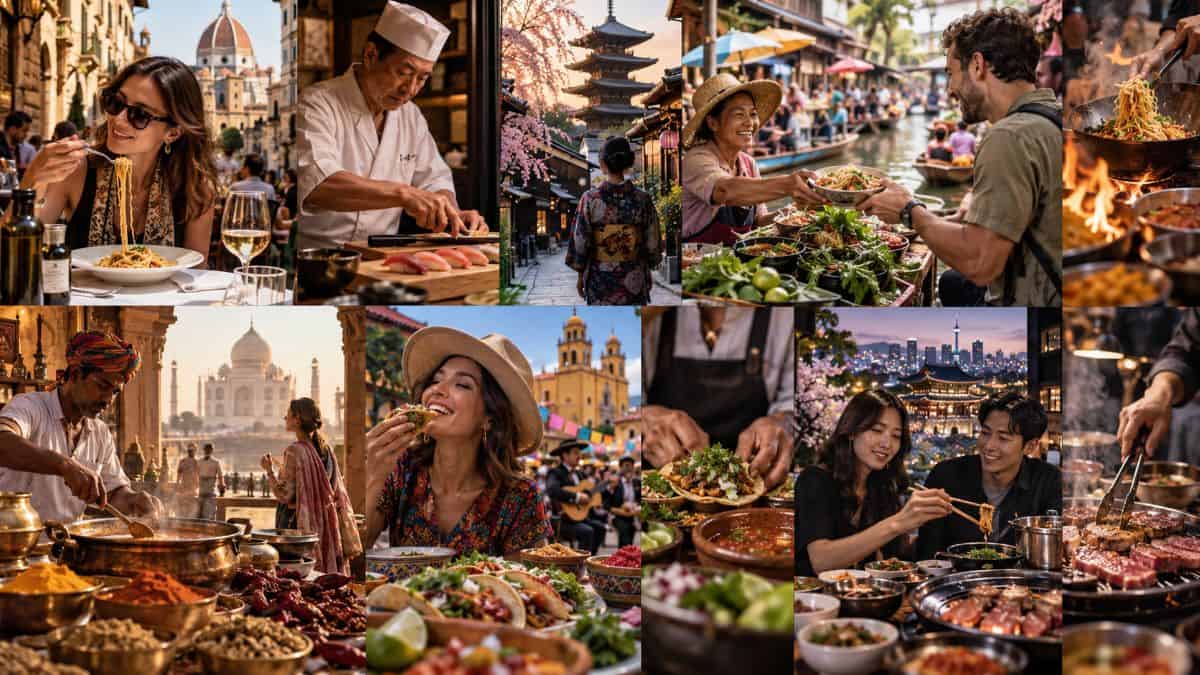
Food tourism is becoming one of the fastest-growing forces shaping global travel, as destinations increasingly use cuisine, culinary heritage and dining experiences to attract international visitors. Italy, Japan, Thailand, India, Mexico and South Korea are turning traditional recipes, street markets and high-end gastronomy into powerful tourism assets. The global shift towards experience-led travel has placed local food at the centre of destination decisions. Travellers now seek authentic flavours, regional stories and cultural connections beyond conventional sightseeing. Industry research highlights rising demand for culinary trails, food festivals and local dining experiences as visitors look for deeper connections with places.
Food Becomes A New Travel Motivation
The global tourism landscape is witnessing a significant transformation. Travellers are no longer choosing destinations only for landscapes, monuments or luxury accommodation. Increasingly, they are planning journeys around flavours, cooking traditions and regional food identities.
Food tourism has evolved from a supporting travel activity into a destination-building strategy. A visit to Tokyo may now include a ramen trail, a trip to Naples may revolve around authentic pizza culture, while Bangkok’s night markets have become international attractions in their own right.
Research from the food travel sector shows that culinary experiences have become a major component of modern holidays. Many travellers actively search for local cuisine, traditional markets and hands-on food activities when planning trips.
Advertisement
Advertisement
The change reflects a wider movement towards meaningful travel. Visitors increasingly want experiences that reveal local history, communities and traditions. Food provides that connection because every dish carries stories about geography, agriculture, migration and cultural identity.
The tourism industry has recognised this opportunity. Governments, tourism boards and destinations are now investing in gastronomy campaigns, culinary festivals and regional food routes to extend visitor stays and increase local spending.
Advertisement
Advertisement
| Global Food Tourism Shift | Tourism Impact |
|---|---|
| Traditional cuisine experiences | Encourages cultural immersion |
| Food festivals and markets | Creates new visitor attractions |
| Michelin-recognised dining | Builds destination reputation |
| Farm-to-table experiences | Supports rural tourism |
| Street food trails | Increases local business opportunities |
The growing importance of gastronomy tourism is also reflected internationally. UN Tourism continues to highlight food experiences as a tool for sustainable destination development and community-based tourism.
Why Culinary Journeys Are Expanding Worldwide
The rise of culinary travel is closely connected with changing traveller priorities. Modern visitors increasingly value authenticity over standardised experiences.
Advertisement
Advertisement
A restaurant meal is no longer simply about eating. It has become an opportunity to understand a destination’s identity. A cooking class in Thailand, a vineyard experience in Italy or a traditional market visit in Japan allows travellers to participate rather than only observe.
Digital platforms have accelerated this trend. Social media has transformed local dishes into global attractions. Small restaurants, family-run food stalls and regional specialties can now attract international attention within days.
However, the appeal extends beyond online visibility. Food tourism creates economic opportunities across the tourism ecosystem. Farmers, fishermen, chefs, artisans and small businesses all benefit when visitors explore local food traditions.
| Experience Type | Examples | Traveller Appeal |
|---|---|---|
| Heritage cuisine | Traditional recipes and regional dishes | Cultural discovery |
| Street food | Markets and local vendors | Affordable authenticity |
| Fine dining | Michelin restaurants | Premium experiences |
| Agricultural tourism | Farms and vineyards | Connection with producers |
| Cooking activities | Classes and workshops | Active participation |
The industry is also seeing stronger demand for sustainable food experiences. Travellers increasingly prefer locally sourced ingredients, traditional production methods and community-led tourism models.
Advertisement
Advertisement
Italy Turns Culinary Heritage Into A Global Attraction
Italy remains one of the strongest examples of how food can define a tourism identity. The country’s culinary reputation extends far beyond individual dishes. It represents centuries of regional traditions, craftsmanship and local production.
Italian tourism is powered by diverse food landscapes. Tuscany attracts visitors through wine routes and farm experiences. Emilia-Romagna promotes products such as Parmigiano Reggiano and traditional balsamic vinegar. Naples has transformed pizza heritage into a global cultural attraction.
Italy’s culinary strength comes from regional diversity. Unlike destinations that promote one national cuisine, Italy offers thousands of local food stories across its regions.
The country’s gastronomy also benefits from strong connections between food and cultural heritage. Visitors increasingly explore rural areas through vineyard stays, olive oil experiences and traditional cooking workshops.
| Italian Culinary Tourism Driver | Traveller Interest |
|---|---|
| Wine regions | Vineyard visits and tasting tours |
| Regional cuisine | Authentic local meals |
| Historic food traditions | Cultural exploration |
| Artisan products | Premium shopping experiences |
| Michelin dining | Luxury gastronomy travel |
Michelin recognition has further strengthened Italy’s position among global food destinations. High-quality restaurants have become travel motivations themselves, encouraging visitors to build itineraries around dining experiences.
The Italian model demonstrates how food can support both urban and rural tourism. While major cities attract international visitors, smaller communities benefit through culinary routes and agricultural experiences.
Advertisement
Advertisement
Japan Builds A Global Food Identity
Japan has transformed cuisine into one of its strongest tourism advantages. The country’s food culture combines tradition, precision and regional diversity.
Tokyo, Kyoto and Osaka are internationally recognised for their dining scenes. However, Japan’s culinary appeal extends beyond major cities. Travellers increasingly explore regional specialities, local markets and traditional food experiences.
Japanese cuisine offers travellers a cultural journey through preparation, presentation and philosophy.
Sushi, ramen, kaiseki dining and izakaya culture have become international symbols. Yet visitors are also discovering lesser-known regional cuisines, including seafood traditions in coastal areas and local agricultural products in rural regions.
Japan’s Michelin presence has played a major role in global awareness. The country has consistently ranked among the world’s most recognised destinations for Michelin-listed restaurants, reinforcing its reputation among premium travellers.
| Japanese Food Tourism Segment | Travel Opportunity |
|---|---|
| Sushi experiences | Traditional dining culture |
| Ramen routes | Affordable culinary exploration |
| Kaiseki cuisine | Luxury cultural experiences |
| Local markets | Everyday Japanese food culture |
| Regional dishes | Rural tourism development |
Japan’s success also comes from combining food with wider cultural experiences. Visitors often connect dining with temples, festivals, seasonal traditions and craftsmanship.
Advertisement
Advertisement
This approach has helped Japan position gastronomy as more than hospitality. Food has become part of the country’s cultural storytelling.
Thailand Makes Street Food A Tourism Powerhouse
Thailand demonstrates how everyday food experiences can become international tourism assets. Its street food culture has become one of the country’s most recognisable attractions.
Bangkok’s markets, roadside kitchens and night food districts attract visitors seeking affordable and authentic experiences. However, Thailand’s culinary appeal extends across the country.
Northern Thai cuisine, southern seafood traditions and regional cooking styles provide travellers with diverse gastronomic journeys.
Thailand’s strength lies in accessibility. Visitors do not need luxury budgets to experience memorable food. A simple market meal can become one of the highlights of a journey.
| Thai Food Tourism Attraction | Tourism Value |
|---|---|
| Bangkok street markets | Urban cultural experiences |
| Cooking classes | Hands-on participation |
| Floating markets | Heritage tourism |
| Regional cuisine | Destination diversification |
| Night markets | Visitor spending growth |
Thailand has also promoted gastronomy as part of its broader tourism strategy. Culinary experiences help extend visitor activity beyond beaches and famous landmarks.
Advertisement
Advertisement
Street food has become an important economic driver for local communities. Small vendors, farmers and producers benefit from international interest in Thai cuisine.
The country’s example shows that tourism success does not always depend on luxury attractions. Authentic local experiences can create equally powerful visitor connections.
India Transforms Regional Flavours Into A Tourism Opportunity
India’s culinary landscape represents one of the world’s most diverse food traditions, shaped by thousands of years of history, geography and cultural exchange. From Himalayan cuisines to coastal seafood traditions, the country offers an enormous variety of regional experiences for international travellers.
India’s food tourism potential comes from its extraordinary regional diversity. Unlike destinations built around a limited number of signature dishes, India offers different culinary identities across almost every state.
Travellers increasingly explore India through food trails, heritage dining experiences and local markets. Cities such as Delhi, Mumbai, Kolkata, Jaipur, Lucknow and Kochi are becoming important destinations for visitors seeking authentic cuisine alongside cultural exploration.
| Indian Culinary Experience | Tourism Appeal |
|---|---|
| Regional cuisine trails | Discovering local traditions |
| Spice routes | Understanding agricultural heritage |
| Royal cuisine | Exploring historical connections |
| Temple food traditions | Experiencing spiritual culture |
| Street food markets | Affordable local experiences |
India’s traditional food systems also connect tourism with rural communities. Farm visits, cooking workshops and village-based experiences allow visitors to understand how ingredients move from farms to dining tables.
Advertisement
Advertisement
The country’s tourism sector has increasingly highlighted gastronomy as part of destination branding. Culinary experiences complement heritage tourism, wellness travel and cultural journeys.
The opportunity is particularly significant because food remains one of the strongest emotional connections for international visitors. A meal can introduce travellers to local customs, festivals and family traditions.
However, industry experts note that India’s challenge lies in organising its vast culinary heritage into structured tourism products. Better branding, improved culinary trails and stronger international promotion could help more regions attract global visitors.
Mexico Connects Ancient Heritage With Modern Food Travel
Mexico has built a powerful global tourism identity through its cuisine. Its food culture represents a combination of indigenous traditions, historical influences and regional creativity.
Traditional Mexican cuisine has gained international recognition because it preserves ancient techniques while adapting to modern culinary expectations.
Oaxaca, Mexico City and Yucatán have emerged as major destinations for food-focused travellers. Visitors increasingly explore local markets, traditional cooking methods and indigenous ingredients.
Advertisement
Advertisement
Mexico’s culinary tourism strength comes from authenticity and heritage.
| Mexican Food Tourism Feature | Visitor Attraction |
|---|---|
| Indigenous ingredients | Cultural discovery |
| Traditional cooking methods | Heritage experiences |
| Taco routes | Street food exploration |
| Regional markets | Local interaction |
| Culinary festivals | Destination promotion |
The global popularity of Mexican cuisine has also strengthened tourism demand. Food experiences encourage visitors to explore beyond major resorts and discover local communities.
Traditional dishes provide a direct connection to history. Ingredients such as maize, chilli and cacao carry cultural significance that extends beyond the dining experience.
Mexico demonstrates how protecting culinary heritage can create economic opportunities while preserving cultural identity.
South Korea Uses K-Food To Expand Global Tourism Appeal
South Korea has developed a powerful tourism ecosystem by connecting food with its wider cultural influence. The global popularity of Korean entertainment has helped introduce international audiences to Korean cuisine.
However, the country’s food tourism growth extends beyond cultural trends. Korean cuisine offers travellers a combination of tradition, social dining and regional diversity.
Advertisement
Advertisement
Kimchi, Korean barbecue, temple cuisine and traditional markets have become important visitor experiences.
| South Korean Culinary Attraction | Tourism Impact |
|---|---|
| Korean barbecue | Social dining experiences |
| Traditional markets | Local cultural discovery |
| Temple cuisine | Heritage tourism |
| Fermentation culture | Unique culinary identity |
| Cooking experiences | Hands-on travel |
Seoul has become a major destination for food travellers. Visitors explore neighbourhood restaurants, markets and specialised dining districts.
South Korea’s approach demonstrates how food can work alongside cultural exports. Music, entertainment, fashion and cuisine together create stronger destination recognition.
The country also highlights the growing importance of younger travellers. Many younger visitors actively seek experiences connected with local lifestyles rather than conventional sightseeing.
Michelin Tourism Creates New Travel Routes
The influence of Michelin recognition has changed how travellers plan international journeys. Restaurants are no longer only places to eat. Increasingly, they have become destinations themselves.
Michelin tourism has encouraged travellers to build trips around dining experiences.
Advertisement
Advertisement
Cities with strong restaurant reputations often attract visitors who combine cultural attractions with premium culinary experiences.
| Destination | Michelin Influence |
|---|---|
| Tokyo | Global recognition for Japanese cuisine |
| Paris | Historic fine dining reputation |
| Bangkok | International attention for Thai cuisine |
| Seoul | Growing global gastronomy profile |
| Italian cities | Regional culinary excellence |
However, modern culinary tourism is not limited to luxury dining. Travellers increasingly value a combination of experiences, including street food, local restaurants and traditional cooking.
The strongest destinations often combine different layers of gastronomy. A visitor may enjoy a Michelin restaurant one evening and explore a local market the next morning.
This balance creates a complete food journey.
Street Food Becomes The Gateway To Local Culture
Street food has become one of the most accessible forms of cultural tourism. It allows travellers to experience everyday life while supporting small businesses.
Markets and food streets provide direct interaction between visitors and local communities. They also create economic opportunities for vendors, producers and neighbourhood businesses.
Advertisement
Advertisement
Bangkok’s markets, Tokyo’s food alleys, Mexico City’s taco culture and India’s street food districts demonstrate how ordinary meals can become memorable travel experiences.
Street food succeeds because it combines affordability, authenticity and human connection.
For many travellers, a local food stall offers a more personal experience than a conventional tourist attraction.
This trend is also helping destinations distribute tourism benefits beyond major landmarks. Food-focused travel encourages visitors to explore neighbourhoods and smaller communities.
Why Food Tourism Matters For Travellers
The growth of culinary travel is changing how visitors prepare their journeys. Travellers now research restaurants, markets and regional dishes before booking flights.
Food experiences influence destination choices, travel duration and spending patterns.
Advertisement
Advertisement
| Traveller Benefit | Tourism Impact |
|---|---|
| Cultural understanding | Deeper destination connection |
| Local interaction | More meaningful experiences |
| Regional exploration | Reduced pressure on major attractions |
| Authentic experiences | Higher visitor satisfaction |
| Culinary memories | Stronger destination loyalty |
For travellers, food tourism provides practical advantages. It allows visitors to discover destinations through local recommendations rather than only famous attractions.
Many destinations now promote food routes, culinary maps and guided experiences to help visitors explore regional traditions.
The Future Of Gastronomy Travel
The next phase of food tourism will focus on sustainability, technology and deeper cultural engagement.
Travellers are expected to seek more farm-based experiences, indigenous food traditions and responsible dining options.
Technology will also influence culinary travel. Artificial intelligence tools, digital recommendations and personalised travel planning are helping visitors discover hidden food experiences.
Future trends are likely to include:
Advertisement
Advertisement
| Emerging Trend | Expected Impact |
|---|---|
| Sustainable dining | Greater focus on local sourcing |
| Farm experiences | Growth of rural tourism |
| Indigenous cuisine | Cultural preservation |
| Personalised recommendations | Easier trip planning |
| Food festivals | Destination promotion |
Destinations that successfully combine heritage, innovation and accessibility will continue attracting food-focused travellers.
The future of tourism will not only be about where people travel. It will increasingly be about what stories they experience through food.
Flavours Shape The Next Travel Era
Food has moved from being a supporting element of tourism into a powerful destination driver. Italy, Japan, Thailand, India, Mexico and South Korea demonstrate different ways cuisine can influence global travel choices.
The rise of culinary journeys reflects a wider shift towards meaningful experiences. Travellers increasingly want connections with communities, traditions and cultures.
As destinations compete for international visitors, food will remain a valuable tourism asset. A recipe, a market or a traditional meal can now create the motivation for an entire journey.
The future of travel will increasingly be shaped by destinations that understand a simple reality: people do not only remember places they visit. They remember the flavours that define them.
Advertisement
