
China Launches New Shipping Route from Nanjing to Peru via Chancay Port, Connecting Industrial Exports and Tourism Infrastructure for Faster Travel Improved Transport Opportunities Across South America

Published
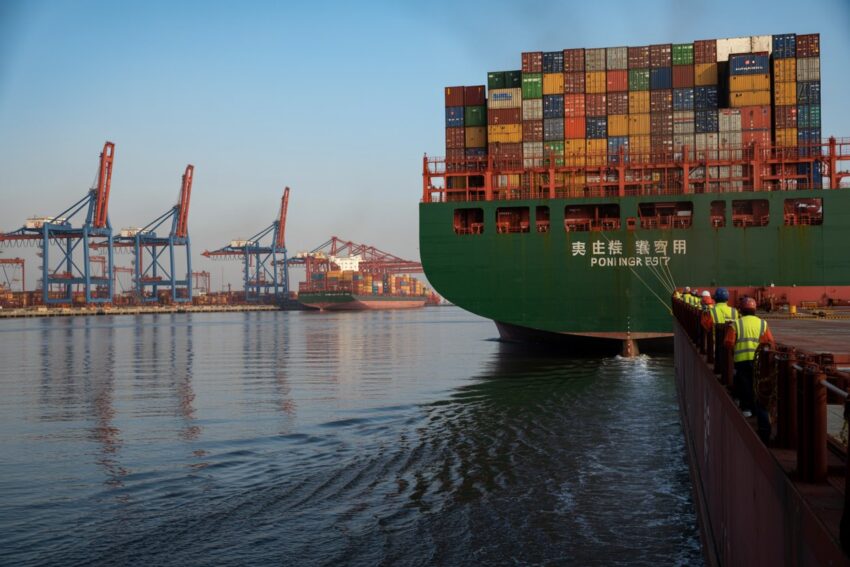
Image generated with Ai
In a major development for global logistics and tourism, Nanjing has inaugurated a new shipping route connecting China and Peru through Chancay Port. The first vessel departed this week carrying engineering vehicles and energy storage equipment, signaling a faster and more efficient connection for Made in China goods to reach South America. While the route primarily supports trade, it also has significant implications for tourism infrastructure, including transport fleets, resorts, and adventure tourism projects.
This new corridor links the Yangtze River industrial hubs to Peru’s emerging Chancay Port, reducing transit times and improving delivery reliability. For travel operators and tourism planners, the route provides a more predictable supply chain for equipment and vehicles that support tourist experiences across Peru.
The opening demonstrates China’s growing commitment to international logistics innovation, connecting inland manufacturing centers to strategic ports overseas while simultaneously supporting the development of tourism infrastructure in South America.
Maiden Voyage Highlights Trade and Travel Potential
The first vessel carried engineering vehicles and energy storage systems, showcasing the route’s capacity to handle high-value, specialized cargo. For tourism, this is particularly important. Faster delivery of buses, vehicles, and construction equipment can improve transport services, resort operations, and infrastructure development in Peru.
Advertisement
Advertisement
Travelers may not see the shipments directly, but they benefit indirectly from enhanced transport networks, reliable buses for sightseeing tours, and quicker completion of tourism projects, from adventure parks to coastal resorts. The route allows regional operators to upgrade fleets and improve tourist mobility, which will enhance the overall visitor experience.
Economic Impact and Tourism Benefits
Peru has seen increasing trade and tourism demand, and Chancay Port now provides a direct connection to Chinese industrial hubs, supporting construction, transport, and tourism projects simultaneously. Faster shipment of vehicles and equipment helps improve bus services, airport transfers, and local transport for visitors, making travel across the country more convenient and efficient.
Advertisement
Advertisement
The route also supports infrastructure development in popular tourist regions such as Paracas, Ica, and the Sacred Valley, enabling operators to provide better services to both domestic and international visitors. Tourists can expect more reliable sightseeing tours, eco-tourism facilities, and adventure activity logistics, directly benefiting from China’s investment in shipping efficiency.
Strategic Significance of the Yangtze River Connection
The Yangtze River network connects key manufacturing and industrial centers, including Nanjing, Shanghai, and Wuhan, to China’s maritime ports. By linking directly to Chancay Port, the route integrates riverine transport and maritime shipping, creating a faster, more cost-effective solution for exporting industrial equipment and tourism infrastructure materials.
This route also aligns with China’s Belt and Road Initiative, emphasizing connectivity, international trade efficiency, and global tourism support. Peru benefits from a direct logistics line, reducing reliance on intermediate shipping hubs and shortening delivery timelines, which can accelerate the completion of hotels, transport fleets, and adventure tourism facilities.
Travel and Tourism Considerations
For tourists and operators, the route translates into tangible travel benefits:
- Faster delivery of vehicles and buses ensures more efficient transfers for sightseeing and tours.
- Improved infrastructure allows for expanded eco-tourism and adventure options.
- Resorts and hotels receive construction and energy equipment on schedule, enhancing the quality of tourist amenities.
Travel agencies and tour operators are already planning to incorporate these improvements into their offerings, ensuring that passenger experiences are smoother and more comfortable, with better transport and facilities across popular destinations.
Future Prospects
Officials from Nanjing and Chancay Port foresee that the route will expand its capacity, accommodating larger vessels and additional cargo types in the near future. This may include shipments for tourism-related projects, renewable energy infrastructure, and hospitality development. Digital tracking systems and specialized logistics solutions will further improve reliability, making the corridor increasingly valuable for both trade and tourism.
Advertisement
Advertisement
Industry experts predict that this corridor will encourage similar direct shipping initiatives between China and other South American countries, facilitating both industrial trade and tourism infrastructure development.
The new Nanjing–Chancay shipping route marks a major milestone in China–Peru trade and tourism infrastructure. While the first vessel transported engineering vehicles and energy storage equipment, the broader impact enhances tourism logistics, transport networks, and infrastructure development, directly benefiting travelers. Tourists can anticipate improved transport, expanded adventure and eco-tourism facilities, and modernized resort operations, creating safer, faster, and more enjoyable travel experiences across Peru.
Advertisement
