Image generated with Ai
The Meteora and Mount Athos in Greece offer the most spectacular sacred travel routes in Europe for 2026 through the real Orthodox Christianity, scenic mountains and monastic heritage. The Meteora attracts people through the functioning monasteries that stand above enormous rocks. The Mount Athos provides a unique pilgrimage route due to specific requirements of visiting and accommodation in the monasteries for male pilgrims only.
A spiritual journey is more than entering a famous church and taking a photograph. The strongest places let visitors take part. They can walk a pilgrim road. They can sit in silence. They can join Mass, prayer, a vigil or a retreat. They can stay with a faith community. This makes the journey personal.
Europe offers many kinds of sacred travel. Catholic pilgrims can visit Lourdes, Fátima, Santiago and Rome. Orthodox travellers can see Meteora, Mount Athos, Rila and Patmos. Those seeking quiet and shared prayer can choose Taizé, Iona or Vadstena. Hala Sultan Tekke in Cyprus also shows that Europe’s spiritual map includes an important Islamic place of worship.
The best trip depends on what a traveller needs. Some want a long walk. Some need silence. Some want history. Others want a simple day of prayer. In 2026, several destinations also have special events that make the timing especially important.
Advertisement
Advertisement
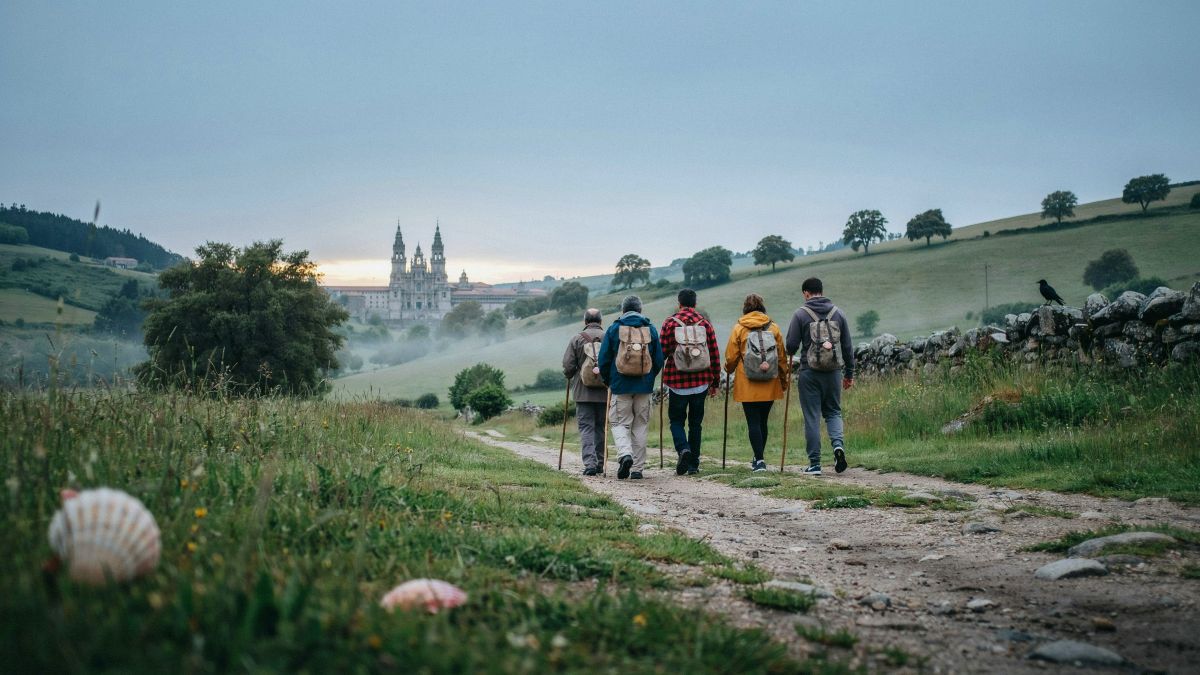
Santiago de Compostela in north-west Spain remains the leading all-round spiritual destination. It is the final point of the Camino de Santiago, one of the world’s best-known pilgrimage networks. The Camino routes stretch for almost 1,500 kilometres across northern Spain and include old churches, bridges, hostels and towns built to support pilgrims.
The power of Santiago comes from the journey and the arrival. Travellers can walk one small section of the Camino or follow a longer route over many days. When they reach the city, they can visit the Cathedral, attend pilgrim Mass and connect with the Pilgrim Office. Eligible pilgrims can receive the Compostela certificate after completing the required route and collecting stamps in a pilgrim credential.
September and October are strong months to visit. The harshest summer heat starts to fade, while the city keeps its active pilgrim atmosphere. The Cathedral normally has several daily Masses, but visitors should check the latest worship schedule before travelling. Large backpacks are not allowed inside.
Santiago works for solo travellers, organised groups and first-time pilgrims. It is also easier to reach than many remote monastic sites because Santiago de Compostela Airport and city transport support the final stages of the trip.
Lourdes is set to become one of Europe’s most important pilgrimage centres in late September 2026. Pope Leo XIV is scheduled to visit the Sanctuary of Our Lady of Lourdes on Sunday, 27 September. This makes the French town an exceptional choice for pilgrims who want to witness a major Catholic event.
The sanctuary has announced that registration for key celebrations on 26 and 27 September has closed because of capacity limits. The Sunday Mass remains open only while space is available in the meadow. Travellers should expect security checks, restricted access areas and shuttle arrangements from outer arrival points. This will not be a normal sightseeing weekend. It will be a high-security pilgrimage occasion.
Lourdes is known for Marian prayer, candle processions, the Grotto of Massabielle, spring-water devotion and its long association with hope and healing. Its 2026 pastoral theme begins a three-year spiritual focus built around the words, “Hail, full of grace, the Lord is with thee”.
Tarbes–Lourdes–Pyrénées Airport is the nearest airport. Toulouse is a larger alternative, while rail links serve Lourdes. Travellers visiting during the papal weekend should book transport and accommodation early, carry only what is essential and follow sanctuary instructions closely.
Assisi is having one of its most meaningful years in generations. The Italian hill town is marking 800 years since the death of St Francis in 1226. For travellers interested in peace, simplicity, nature and faith, this anniversary gives Assisi special depth.
The city and its Franciscan sites are World Heritage-listed. Assisi is the birthplace of St Francis, while the Basilica of San Francesco remains one of the central places for Franciscan spirituality and art.
The 2026 programme includes guided spiritual walks and themed visits through October. Planned events include the Assisi 1226 walk on 3 October, a saints-focused visit on 10 October, a Porziuncola pilgrimage visit on 17 October and a San Damiano–Rivotorto itinerary on 24 October. Some activities have limited places and need advance booking.
Assisi rewards slow travel. Its steep streets, churches and quiet corners are best explored on foot. Perugia is the nearest airport, while rail and bus links connect the region. Travellers should note that Eremo delle Carceri has no public transport, so reaching it requires a walk, taxi or private vehicle.
Fátima in Portugal remains one of Europe’s great Marian pilgrimage centres. Its story is linked to the 1917 events involving Lúcia, Francisco and Jacinta. Today, the sanctuary draws visitors for Mass, Rosary, processions, prayer and retreats.
September stays active in 2026, with a retreat for sick pilgrims on 17 September, a School of the Shrine retreat on 23 September and another retreat for the sick on 24 September. Major dates around the 12th and 13th of each month can be very busy.
Lisbon is the simplest international gateway. Coaches are often the most direct public transport choice for the final journey. Fátima is especially good for visitors who want a large, organised sanctuary with a clear prayer programme.
St Peter’s Basilica in Vatican City offers a different kind of journey. It is the heart of papal Catholicism and a major place of worship for visitors from around the world. Ordinary entry is free, though security screening is required. Strict dress rules apply. Shoulders and knees should be covered, and visitors should keep noise low inside the Basilica.
The Dome gives unforgettable views, but it is not suitable for everyone. It involves 551 steps, or 320 steps after taking the lift. The Basilica warns people with heart, breathing, mobility, vertigo or claustrophobia issues to take care.
Meteora in Greece is one of Europe’s most striking spiritual landscapes. Active Orthodox monasteries stand on huge sandstone pillars above the Thessalian plain. The sacred settlement combines living monastic life with a remarkable mountain landscape.
Spring and autumn are the best periods because summer can be very hot. Visitors need modest clothing. Men should wear long trousers and women long skirts. Many monasteries involve steep steps, though Agios Stefanos is easier to reach than some others. Each monastery has its own hours and closure days, so travellers must check before setting out.
Mount Athos offers an even deeper Orthodox experience, but access is strictly limited. Only male pilgrims may enter under the avaton rule. Foreign visitors need written permission before travelling, and access is through authorised routes from Ouranoupoli. It is not a place for spontaneous travel.
Patmos adds a biblical layer. The Greek island is linked to the Book of Revelation and includes the Monastery of St John and the Cave of the Apocalypse. Autumn brings a quieter visit after the main Holy Week events. Ferry travel is essential, so travellers should leave extra time in their itinerary.
Taizé in France is ideal for people who want silence, simple living and shared prayer. The ecumenical community welcomes visitors into a rhythm of morning, midday and evening prayer, Bible reflection, group discussion and quiet time. Accommodation is simple, with communal rooms or tents.
Iona in Scotland offers another powerful retreat setting. The island has been linked to Christian life since St Columba arrived in AD 563. The Iona Community continues daily worship and shared living focused on peace, justice and renewal. Reaching Iona takes time, with ferry connections through Mull, but this slower journey is part of its meaning.
Vadstena in Sweden is also a strong autumn choice. It is Sweden’s largest pilgrimage destination and the end point of the St Birgitta Ways. A Franciscan celebration is planned for 3 October, followed by a guided retreat from 18 to 22 November 2026.
Montserrat near Barcelona blends Benedictine prayer, mountain scenery and easy transport from a major city. Visitors can join Lauds, Mass and Vespers, while the famous Escolania choir performs on selected days.
Rila Monastery in Bulgaria offers a powerful mountain setting and one of the country’s most important Orthodox sites. Sofia is the main gateway, but travellers should allow extra time for the road journey.
Jasna Góra in Częstochowa, Poland, remains a major Marian centre known for the Black Madonna. Its daily life includes confession, adoration and the evening Jasna Góra Appeal.
Knock in Ireland still has a strong September 2026 programme, including the national Padre Pio pilgrimage on 20 September and the Legion of Mary pilgrimage on 27 September.
Lough Derg in County Donegal is much tougher. Its Three Day Pilgrimage season has ended, but One Day Retreats remain on 9, 12, 15, 19 and 20 September.
Canterbury, Lindisfarne, Nidaros, Mariazell, Einsiedeln, Kalwaria Zebrzydowska, Ostrog, Medjugorje and Hala Sultan Tekke also offer rich journeys. Each has a different challenge, from tidal road crossings at Lindisfarne to mountain paths at Ostrog and ferry dependence at island destinations.
Sacred sites are live sites. Worship, festivals, conservation activities, and security considerations may alter access on short notice. Please plan in advance by verifying official hours of operation, scheduling, booking and transportation options.
Please dress conservatively. Have small baggage as requested. Observe silence, prayer zones and photography restrictions. Do not regard a monastery as a theme park attraction. On Lindisfarne, do not walk across the tidal causeway at unsafe hours. To visit Mount Athos, you will need to first obtain the appropriate permit.
Advertisement
Tags: Assisi travel, Europe spiritual travel, Fátima pilgrimage, Lourdes pilgrimage, Meteora monasteries
Advertisement
Advertisement












Monday, September 7, 2026
Monday, September 7, 2026

Monday, September 7, 2026

Sunday, September 6, 2026
Saturday, September 5, 2026
Monday, September 7, 2026
Monday, September 7, 2026