
Jamaica Festival Tourism Dreams Come Alive When Exploring Kingston Travel Beats And Ocho Rios Coastlines, Here’s The Update

Published
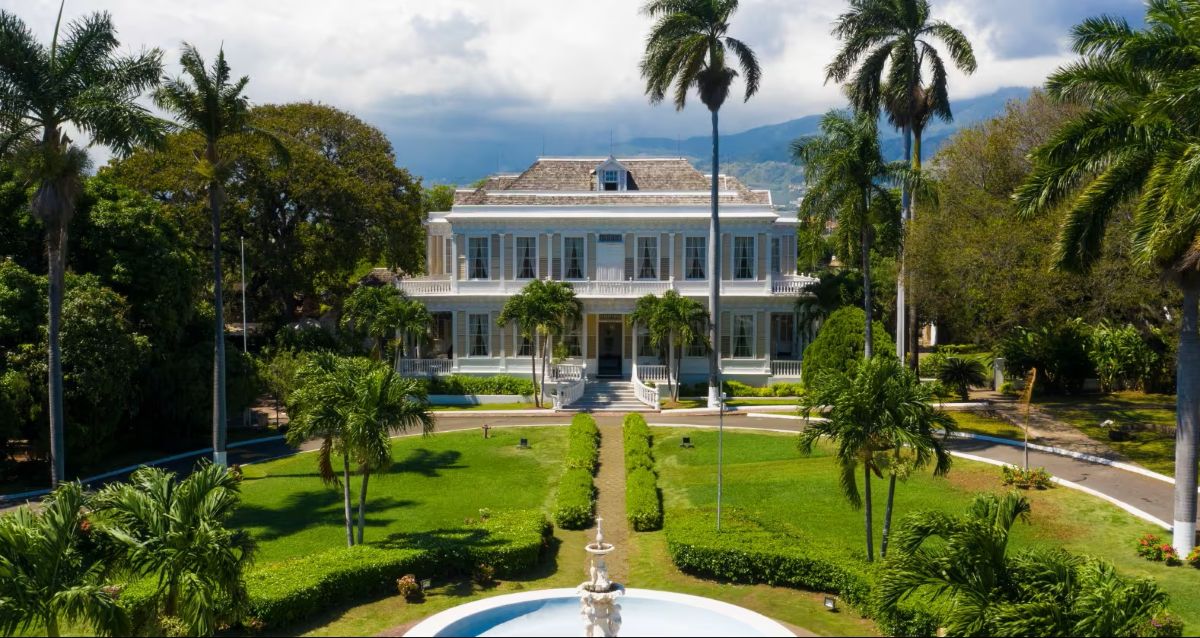
Image Credit visitjamaica
When you first land in Jamaica, it hits you, above the sweet smoke and tropical heat. It’s an energy so alive that it personifies their basslines. The shores of Jamaica and it’s energy pull in over 2.34 million visitors a year. From Kingston all the way to Negril and Port Antonio, Jamaica’s energetic nature is why so many fall in love with the island. In 2026, travelers coming during the summer months overdosed Jamaica’s economy to the tune of $2.5 billion. With hotels still recovering from the pandemic, travelers clearly put more value on getting away, and vacationing in Jamaica to relax Jamaican style. Travelers humbled Jamaica’s long, arduous flights, realizing that its rich local culture was more than just a beach vacation.
Advertisement
Advertisement
Cultural Vanguard: How Did Jamaica’s Tourist Arrivals Reach US $2.5 Billion in Revenue by August 2026?
Jamaica’s tourism sector demonstrated exceptional economic strength during the mid-year peak, accumulating 2.34 million stopover and cruise visitors through August 31, 2026. Official figures from the Jamaica Tourist Board confirm that these visitors injected US $2.5 billion directly into the national economy. This financial boom occurred despite room stock rebuilding efforts that temporarily capped hotel availability between 70% and 80% across major resort corridors.
Advertisement
Advertisement
Airline capacity played a decisive role in maintaining high visitor throughput across June, July, and August. Key long-haul carriers expanded their schedules, including Virgin Atlantic’s daily London Heathrow service to Montego Bay, which added over 15,000 seasonal seats. Aircraft operated at consistently high load factors exceeding 80%, ensuring that resort hubs operated near maximum occupancy. The strong demand underscores the resilient appeal of Jamaica’s brand despite temporary supply restrictions.
Rhythmic Heritage: What Cultural Pull Factors Make Local Traditions So Magnetic to Global Travelers?
Advertisement
Advertisement
Jamaica’s global allure relies on an authentic cultural export pipeline spanning music, dance, gastronomy, and spiritual traditions. Reggae and Dancehall music, recognized as UNESCO Intangible Cultural Heritage, draw music pilgrims eager to trace historical roots at venues like the Bob Marley Museum in Kingston. Travelers seek genuine participation in socio-cultural traditions rather than isolated resort stays.
Culinary heritage serves as another vital pillar of visitor engagement across the island. The traditional jerk preparation method marinating meats with allspice and scotch bonnet peppers over sweetwood coals draws food enthusiasts to Boston Bay. Additionally, eco-cultural community tourism flourishes in Rastafari villages and Maroon settlements like Moore Town, where visitors experience drumming, artisanal craftsmanship, and ital gastronomy firsthand.
Urban Resonance: Why Is Kingston Celebrated as the Supreme Cultural and Creative Capital of Jamaica?
As a designated UNESCO Creative City of Music, Kingston represents the intellectual, historical, and artistic soul of the nation. The capital city seamlessly blends urban energy with rich heritage, attracting travelers seeking deep historical context. Visitors flock to iconic institutions such as the National Gallery of Jamaica, the Trench Town Culture Yard, and the grand Devon House estate.
Kingston also serves as the operational base for major annual events, including the world-famous Jamaica Carnival every April. The city’s thriving nightlife and live music venues offer authentic urban entertainment that complements its heritage museums. By catering to business travelers, music aficionados, and cultural historians, Kingston provides a versatile urban alternative to coastal beach resorts.
Coastal Synergy: How Does Montego Bay Balance International Resort Luxury With High-Energy Music Festivals?
Advertisement
Advertisement
Montego Bay, situated in St. James parish, serves as the primary gateway for international air travel via Sangster International Airport. The city expertly combines luxury all-inclusive hospitality along its famous Hip Strip (Jimmy Cliff Boulevard) with historic landmarks like Sam Sharpe Square and the historic Rose Hall Great House. It remains the commercial engine of the island’s coastal tourism sector.
Every July, Montego Bay transforms into the center of the Caribbean music world by hosting Reggae Sumfest. This week-long festival features premier international and local dancehall artists, driving hotel occupancy rates close to 100%. The massive influx of visitors yields immediate economic benefits for local transport providers, street vendors, and independent hospitality workers throughout St. James.
Tropical Sanctuary: What Makes Ocho Rios the Ultimate Eco-Heritage and Adventure Destination for Cruise Visitors?
Nestled within the lush garden parish of St. Ann, Ocho Rios is world-renowned for its dramatic natural features and rich historical sites. The port town acts as Jamaica’s primary hub for cruise ship arrivals and eco-adventure tours. Iconic natural landmarks like Dunn’s River Falls and Mystic Mountain offer thrilling outdoor experiences surrounded by dense tropical flora.
Beyond its natural beauty, Ocho Rios preserves significant heritage assets, such as Sevilla Heritage Park, an early settlement site illustrating indigenous Taino and early Spanish history. The town’s balanced integration of cruise infrastructure, eco-tourism, and historic preservation makes it an essential stop for day-tourists and long-stay guests alike.
Sunset Beats: Why Does Negril Remain the Premier Hub for Beachfront Lifestyle Events and Youth Festival Tourism?
Advertisement
Advertisement
Spanning the borders of Westmoreland and Hanover parishes, Negril is celebrated globally for its legendary Seven Mile Beach and bohemian coastal atmosphere. Clifftop venues like Rick’s Cafe and historic landmarks like the Negril Lighthouse frame a dramatic landscape dedicated to leisure and sunset gatherings. The town maintains an unhurried, open-air charm that contrasts with larger urban resort centers.
In early August, Negril becomes the epicenter of youth lifestyle travel during Dream WKND. This multi-day party series coincides with Emancipation and Independence celebrations, drawing tens of thousands of diaspora and youth travelers. The festival drives peak room rates and high flight utilization across the entire western region of the island.
Eastern Harmony: How Does Port Antonio Preserve the Authentic Culinary Cradle and Maroon Heritage of Jamaica?
Located in the eastern parish of Portland, Port Antonio stands as the historic birthplace of Jamaican tourism. The area is celebrated for its pristine, low-impact environment, featuring pristine natural attractions such as the famous Blue Lagoon. Unlike bustling resort strips, Port Antonio emphasizes eco-luxury, tranquility, and deep historic roots.
Portland serves as the undisputed culinary cradle of the island, with Boston Bay standing as the historic birthplace of jerk cuisine. Furthermore, the parish harbors historical Maroon settlements like Moore Town, where visitors can engage with indigenous history, traditional drumming, and community-led eco-tours. Port Antonio remains an indispensable destination for discerning, eco-conscious travelers.
Community Prosperity: What Massive Economic Impact Do Primary Festivals Deliver Across Local Jamaican Communities?
Advertisement
Advertisement
Festival tourism serves as a direct driver for stopover arrivals, filling accommodation capacity and creating extensive supply-chain linkages. Major events like Reggae Sumfest in Montego Bay, Dream WKND in Negril, and Jamaica Carnival in Kingston generate billions of Jamaican dollars in direct local expenditure. These events turn seasonal travel lulls into highly profitable revenue windows.
The financial windfall from festival tourism extends far beyond major hotel chains into micro-level community businesses. Independent transport operators, craft artisans, food vendors, and small guesthouse owners experience direct revenue injections. By dispersing tourist dollars directly into neighborhood ecosystems, festivals ensure that cultural exports yield tangible socioeconomic benefits for local citizens.
How the Agri-Linkages Exchange Platform Enhances Domestic Agricultural Value Chains Across Rural Jamaica
Jamaica’s tourism economy thrives on strong domestic supply chain linkages, particularly between large resort kitchens and smallholder agricultural producers across rural parishes. The Agri-Linkages Exchange digital platform, established jointly by the Ministry of Tourism and the Agricultural Marketing Corporation, serves as an electronic marketplace connecting local farmers directly with resort purchasing directors. This digital bridge addresses historical supply inconsistencies while providing guaranteed commercial outlets for high-volume agricultural produce.
By removing intermediate traders, the platform has successfully onboarded over 2,000 certified agricultural producers and facilitated more than J $1.2 billion in direct crop purchases by major hotels. These streamlined transactions have increased Jamaica’s local tourism dollar retention rate to an impressive 40.8%, setting a benchmark across the wider Caribbean region. Furthermore, this agricultural integration enhances direct income distribution across non-coastal agricultural parishes like St. Elizabeth and Manchester, ensuring that rural families share in the financial benefits generated by international visitor arrivals.
Strategic Infrastructure Modernization at Sangster International Airport and Norman Manley International Airport
Advertisement
Advertisement
Extensive aviation infrastructure upgrades are currently expanding processing capacities at Jamaica’s primary international gateways: Sangster International Airport in Montego Bay and Norman Manley International Airport in Kingston. To support long-term arrival targets, the terminal development at Sangster International Airport represents a US $180 million capital commitment. This modernization includes extending the primary runway to 3,060 meters, constructing expanded passenger security areas, and creating modern departure lounges designed to handle high-density seasonal air traffic.
Concurrently, capital investments at Norman Manley International Airport in Kingston focus on airfield resurfacing, enlarged terminal arrival halls, and advanced air traffic management capabilities. These comprehensive airside and landside improvements expand peak-hour passenger throughput capacity by over 30%, significantly reducing queue times during major cultural events like Reggae Sumfest and Jamaica Carnival. In tandem with airport enhancements, expanded highway networks seamlessly connect both arrival points to key resort destinations, including Ocho Rios, Negril, and Port Antonio.
Human Capital Advancement and Creative Professionalization Through the Jamaica Centre for Tourism Innovation
Comprehensive workforce training serves as the operational foundation for Jamaica’s resort operations and event management infrastructure. The Jamaica Centre for Tourism Innovation delivers internationally recognized certifications covering executive culinary arts, supervisory management, hospitality data analytics, and large-scale event organization. Through active partnerships with global accreditation bodies, the institution ensures local hospitality workers meet world-class service standards across every major resort corridor.
To date, the center has successfully certified over 20,000 industry professionals while securing more than 1,120 annual student internship placements across top-tier properties. Complementing these technical training pipelines, the government established the Tourism Entertainment Academy and Innovation Incubator to fund creative entrepreneurs, stage coordinators, and cultural performers. Applications to the incubator surged by 553% year-over-year, providing critical venture funding and technical assistance to micro-businesses specializing in indigenous craft production, event staging, and festival logistics.
Expanding the Tourist Experience: Eco-Wellness and Therapeutic Retreats Beyond Coastal Resorts
Advertisement
Advertisement
Jamaica’s tourism portfolio is diversifying beyond traditional beach holidays by establishing a strong presence within the global eco-wellness travel sector. Growing at an annual rate of 15%, wellness tourism utilizes the island’s natural mineral hot springs, Blue Mountain botanical sanctuaries, and dedicated holistic retreat centers. Boutique accommodations in Negril and Port Antonio lead this movement by offering organic ital gastronomy, hydrotherapy treatments, and immersive mindfulness programs.
Demographic analysis reveals a median visitor age of 38 years, with stayover guests spending an average of US $2,180 per trip. Crucially, 71% of all arriving international travelers represent repeat visitors, demonstrating exceptional brand loyalty toward Jamaican destinations. This strategic expansion into eco-wellness and holistic health appeals directly to high-yield travelers, driving steady year-round hotel occupancy while protecting delicate forest and river ecosystems across parishes like Portland and St. Ann.
Comparing the Economic Contributions of Cruise Ship Passengers and Stayover Air Travelers
Jamaica employs a dual-channel cruise and stayover tourism strategy designed to balance high visitor volumes with maximum foreign exchange earnings. Stayover air arrivals, landing at major airports in Montego Bay and Kingston, serve as the primary economic driver by generating approximately 2.9 million annual visitors who spend an average of US $1,380 per stay, accounting for over 90% of total hotel room utilization and US $4.0 billion in gross expenditure.
Conversely, cruise ship passengers visiting ports in Ocho Rios, Montego Bay, and Falmouth generate high-volume, short-duration excursion traffic totaling 1.6 million visitors annually. While average per-capita cruise expenditure stands at US $118 per port visit yielding US $189 million overall—the sector provides immediate cash flow to craft artisans, transport operators, and popular heritage sites such as Dunn’s River Falls. Furthermore, cruise port calls act as an effective promotional showcase, successfully converting roughly 20% of first-time cruise guests into long-stay stopover visitors in subsequent years.
Private Capital Investment and Mega-Resort Developments Transforming the National Hotel Sector
Advertisement
Advertisement
The national lodging landscape is undergoing significant expansion, backed by over US $3 billion in private capital committed to major resort developments. Prior to current construction projects, the nation operated a baseline inventory of approximately 32,400 hotel rooms across all property tiers, maintaining a healthy Average Daily Rate of US $287 (reaching US $485 in the luxury category) and a Revenue Per Available Room of US $209.
Leading international hotel brands are driving this growth, adding 20,000 new guest rooms over the coming decade. Flagship projects include the US $350 million Princess Hotels mega-resort development in Hanover, which introduces 2,000 beachfront rooms, alongside substantial property expansions by RIU, Hard Rock, and Sandals Resorts throughout Montego Bay and Negril. These multi-million-dollar investments expand room capacity to support peak festival demand while generating thousands of direct construction jobs and permanent operational positions.
Protecting Cultural Heritage Sites Through Sustainable Tourism Metrics and Community Initiatives
To balance commercial growth with environmental management, updated regulatory policies are strengthening destination oversight under a modernized Tourist Board Act. This updated governance framework empowers environmental regulators to monitor visitor capacities at fragile natural sites, including the Blue Lagoon in Port Antonio and Dunn’s River Falls in Ocho Rios.
Community-focused tourism initiatives ensure that historical Maroon settlements like Moore Town and Taino archaeological sites like Sevilla Heritage Park receive direct financial support via the Tourism Enhancement Fund. Projects such as the Falmouth Artisan Village combine virtual reality educational displays with live certified street performances to showcase historical culture without disturbing historic architecture. Additionally, public beach redevelopment programs invest millions into upgrading community coastal facilities including Paggee, Success, and Priory beaches guaranteeing local residents enjoy free access to high-quality recreational spaces alongside international visitors.
Assessing the Direct Socio-Economic Effects of Tourism Expenditure on Urban Household Prosperity
Advertisement
Advertisement
Economic research indicates that tourism earnings directly improve household living standards without driving up local inflation rates. Econometric modeling shows that every US $10 million in tourism revenue earned within Jamaican urban centers enables resident households to increase real spending on food and non-food items by 2.3% and 2.9%, respectively.
For average urban households, this economic activity translates to a direct US $97 annual per-capita gain in household consumption, with roughly one-third of non-food gains devoted to private medical care and health products. The analysis also revealed a key structural benefit: because a significant portion of tourist spending occurs within self-contained resort environments, visitor spending does not artificially inflate local prices for everyday groceries or rental housing in major towns like Kingston or Montego Bay. This balanced structure ensures strong foreign currency generation while preserving price stability for local communities.
The Final Verdict
It’s true that removing all the dollars and flights would let you see Jamaica’s real magic, but the soul is what brings the US $2.5 billion sum that Jamaica generated over the summer of 2026. Jamaica’s passion cannot be caged. Jamaica’s spirit can be sounded by the basslines in Montego Bay or seen in the sacred green hills of Port Antonio. Jamaica extends a vacation to the world, but needs an invitation to join them for food and dancing outdoors. Every visitor has taken a little warmth back to their homes, but they have given support for local families, street vendors, and artisans. As long as the island continues to play its music, visitors will come to the island repeatedly from all over the world.
Frequently Asked Questions
- How many total visitors arrived in Jamaica through August 2026?
Jamaica welcomed 2.34 million total visitors, combining stayover air passengers and cruise ship arrivals, between January and August 31, 2026.
Advertisement
Advertisement
- What was the total tourism revenue generated during this period?
The tourism sector generated approximately US $2.5 billion in gross foreign exchange receipts through August 2026.
- What were the hotel capacity levels during the June to August summer months?
Hotel room availability operated between 70% and 80% capacity as property restoration efforts continued across major resort corridors.
- Which major festivals drove summer tourism to Jamaica?
Reggae Sumfest in Montego Bay (July) and Dream WKND in Negril (August) served as the primary summer festival drivers.
- What are the five major cultural cities highlighted in Jamaican tourism?
The five key cities are Kingston, Montego Bay, Ocho Rios, Negril, and Port Antonio.
Advertisement
