
France, Spain Unleash An Explosive Tourism Revolution In Europe As Culture, Cuisine And Meaningful Journeys

Published
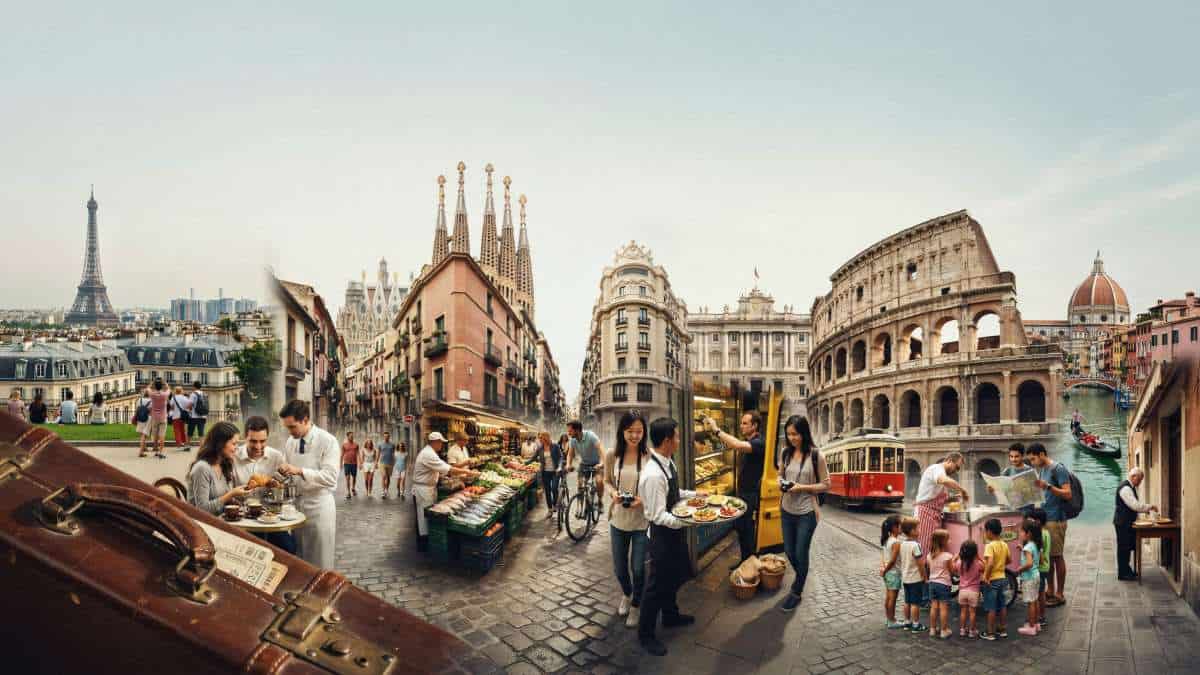
Image generated with Ai
The tourism explosion is taking place across Europe, and France and Spain are the key elements of it. In today’s world, millions of tourists are looking for not only well-known attractions but also authentic cuisine, culture and unforgettable journeys which will bring them many beautiful memories. The country of France has a great history, delicious cuisine, and cultural experiences. The country has the same advantages but different ones, such as traditions, local cuisine, and exciting journeys. Both countries play an important role in changing the European tourism industry. However, travelers are looking for something more – to have a real connection with places, people and their cuisine. They want to taste local cuisine, learn about living culture, and make a journey that goes beyond the tourist route. Therefore, meaningful traveling becomes more popular among Europeans. What causes this explosive revolution in the tourism industry, and why do France and Spain become so popular? The answer can be found in Travel And Tour World. Please read the whole article to find out what happens next.
Tourism’s Wider Economic Impact
| Economic measure | Latest OECD figure | Why it matters |
|---|---|---|
| Direct tourism contribution to GDP | 4.0% | Tourism is a major economic activity |
| Direct tourism contribution to employment | 6.3% | Supports millions of jobs across tourism economies |
| Tourism share of services exports | 19.3% | Tourism is a major international export |
| OECD travel exports, 2024 | US$1.1 trillion | Demonstrates enormous market value |
| OECD travel receipts share of global receipts | 63.14% | OECD markets hold a dominant position |
| OECD share of global travel expenditure | 53.0% | Consumers spend heavily across OECD destinations |
| Global international tourism receipts, 2025 | US$1.9 trillion | Global tourism value remained strong |
Europe’s Tourism Machine Is Entering a Powerful New Era
Europe is still one of the world’s biggest tourism magnets in 2026. But the reason people travel across the continent is changing. Visitors do not want only famous landmarks now. They want stories, tastes, traditions and real moments. They want to meet local people and understand local life. They also want the journey itself to feel special. Recent Mastercard Economics Institute research, reported by the EU Tourism Platform, highlights culture, cuisine, authenticity, local interaction and journey-focused travel as major forces shaping European tourism demand. This signals a clear change. Tourism is moving from simple sightseeing towards deeper, experience-led travel across Europe today.
Advertisement
Advertisement
Culture Is Turning European Cities Into Living Stories
Culture has become a powerful reason to travel. Europe offers historic cities, ancient traditions, art, music, festivals and local customs. These cultural treasures give destinations a strong identity. Travellers can walk through old streets, enter historic buildings and experience traditions that still shape daily life. The Mastercard research says visitors increasingly prioritise cultural experiences and authentic local interactions. This matters because tourists now want more than photographs. They want memories with meaning. A visit to a European destination can become a personal story. That story can make the journey more valuable and encourage travellers to explore beyond Europe’s famous tourist hotspots.
“Europe’s tourism story is changing fast. Travellers now seek more than famous landmarks. They want culture, authentic cuisine and meaningful journeys that create lasting memories. France, Spain and Italy remain powerful leaders, but emerging destinations can win by protecting local identity, strengthening communities and offering experiences that truly connect visitors.” — Anup Kumar Keshan, Founder and Editor-in-Chief, Travel And Tour World
Advertisement
Advertisement
Cuisine Is Becoming a Travel Trigger Across Europe
Food is no longer simply something tourists enjoy after visiting attractions. It can now influence where they choose to travel. Europe has an extraordinary range of regional cuisines, ingredients and food traditions. Italy offers pasta and regional specialities. France is famous for its cheeses and culinary heritage. Other European regions offer their own distinctive flavours and traditions. The EU Tourism Platform says culinary tourism is rising, with food becoming a main travel motivator in some cases. Cuisine therefore becomes part of destination identity. A meal can introduce travellers to history, people, farming, traditions and the character of a place.
Advertisement
Advertisement
Authentic Local Experiences Are Winning Traveller Attention
Authenticity is now one of the strongest words in European tourism. Travellers increasingly seek experiences that feel local and personal. They want local food, local stories and local interactions. They may prefer a regional market to a generic shopping centre. They may choose a small cultural event instead of another crowded attraction. Mastercard’s analysis identifies authenticity and local interaction as important elements of changing travel behaviour. This creates an opportunity for smaller destinations. A place does not need the world’s most famous monument to attract visitors. Its identity can become its greatest tourism asset. That is a powerful competitive advantage.
Europe’s Lesser-Known Destinations Are Getting Their Moment
Europe’s famous destinations remain highly attractive. Yet travellers are also searching for quieter places. The reason is simple. Many visitors want authenticity, local culture and unique experiences without overwhelming crowds. OECD research supports this movement towards lesser-known destinations and more balanced visitor distribution. This could change the tourism map. Smaller towns and rural areas can showcase food, heritage, landscapes and local traditions. They can also gain economic benefits from visitors. The opportunity is enormous. But growth must remain responsible. If a quiet destination suddenly becomes fashionable, careful planning will be essential to protect the very culture that made the place attractive.
Slow Travel Is Giving the Journey a New Meaning
Slow travel is not about travelling badly or travelling less comfortably. It is about experiencing more along the way. Rail routes, cycling journeys and road trips can connect travellers with landscapes and communities. The EU Tourism Platform identifies journey-focused travel as a growing European trend. This can also support sustainable mobility when travellers choose lower-impact transport options. Slow journeys may encourage longer stays and wider exploration. Instead of concentrating spending in one famous city, travellers can move through several places. That spreads tourism demand. It can also create opportunities for smaller businesses, regional attractions and communities outside traditional tourism centres.
Advertisement
Advertisement
Young Travellers Are Helping Fuel Experience-Led Tourism
Demographic change is also reshaping tourism. OECD research says Millennials and Generation Z are expected to account for more than half of global travellers by 2030. Their spending patterns increasingly favour experiences over goods. This matters for European destinations. Younger visitors can seek culture, food, events, nature and meaningful activities rather than simply collecting landmark photographs. Tourism businesses therefore have a reason to rethink their offers. A destination can package food, heritage, outdoor activities and local interaction into one memorable experience. The winning formula may not be another attraction. It may be a richer story built around the destination’s existing identity.
The New European Tourism Opportunity Map
| Tourism market/region | Key attraction | Emerging opportunity | Main challenge |
|---|---|---|---|
| France | Culture, gastronomy, heritage | Premium cultural and culinary experiences | Managing visitor concentration |
| Spain | Cuisine, beaches, culture | Deeper regional and off-season travel | Capacity and overtourism |
| Italy | Food, art, heritage | Regional food and cultural journeys | Pressure on famous destinations |
| Türkiye | Culture, cuisine, Mediterranean coast | Competitive pricing and expanded demand | Managing rapid growth |
| Scotland/UK | Heritage, landscapes, festivals, screen tourism | Cooler-climate and culture-led travel | Affordability and changing visitor spending |
| Less-visited European regions | Local identity, nature, food | Tourism diversification | Connectivity and infrastructure |
Festivals And Events Can Create Tourism Fireworks
Major events continue to influence tourism flows. Sporting events, festivals and cultural celebrations can bring international visitors and generate economic benefits for host locations. The EU Tourism Platform highlights this role in its 2026 travel analysis. Events can also introduce destinations to new audiences. A visitor may arrive for a festival and discover local cuisine, museums, neighbourhoods and nearby towns. That can encourage repeat travel. Events therefore work as more than temporary attractions. They can become powerful gateways into local culture. The challenge is managing visitor numbers effectively so communities benefit without suffering excessive pressure on infrastructure, housing or everyday life.
Advertisement
Advertisement
Tourism Spending Is Following Experiences And Memories
Economic uncertainty has not erased the appetite for travel. OECD research reports that tourism demand has remained broadly resilient, although affordability, safety and geopolitical concerns continue to influence traveller behaviour. The European trend research also says visitors continue to value cultural activities, food experiences and memorable journeys. This suggests an important shift in spending priorities. Travellers may be more selective, but meaningful experiences can remain attractive. A memorable meal, cultural activity or special journey can feel more valuable than another ordinary purchase. For destinations, quality therefore matters as much as visitor volume.
Tourism Competition Is Becoming A Battle For Meaning
The old tourism competition was often simple. Cities competed over famous landmarks, beaches, hotels and visitor numbers. The new competition is more complex. Destinations must show why an experience matters. OECD research says destinations can stand out by using their unique assets and identity to respond to changing traveller demand. Culture, cuisine, landscapes and outdoor recreation can all help. This means a destination’s strongest tourism product may already exist. It could be a local recipe, historic tradition, village festival or scenic route. The real challenge is presenting these assets honestly and protecting them while tourism grows.
Tourism Policy Is Moving From Volume Towards Value
More visitors do not automatically mean better tourism. Large crowds can place pressure on communities, infrastructure and the environment. OECD research shows that governments are increasingly moving away from simple volume-based growth towards approaches that seek stronger economic, social and environmental outcomes. The idea is straightforward. Tourism should create lasting value rather than simply chase bigger numbers. This makes culture and meaningful journeys particularly important. Destinations can attract visitors while encouraging longer stays, wider travel patterns and local spending. The goal becomes better tourism. That means stronger businesses, happier communities, protected heritage and experiences that visitors genuinely remember.
Local Communities Are Becoming Central To Tourism Success
A tourism boom can only remain successful if local people benefit. OECD research stresses community engagement and stronger local involvement in destination management. This is especially important when tourism relies on culture. Local traditions cannot simply become products without considering the people who maintain them. Communities need a voice in how their culture is presented. Local entrepreneurs can also gain from tourism through food, accommodation, guiding, crafts and experiences. When visitors spend money locally, tourism can support regional economies. But destinations must avoid turning living culture into a hollow performance. Authenticity works best when communities remain active participants.
Culinary Tourism Can Strengthen Regional Identity
Cuisine can connect tourism with agriculture, heritage and local business. A regional dish can tell visitors where ingredients come from and how communities developed their traditions. OECD research identifies gastronomy as one of the assets destinations can use to create distinctive experiences and respond to changing traveller behaviour. This makes culinary tourism particularly valuable for rural areas. Visitors can explore producers, markets, restaurants and food traditions. Such journeys can spread spending beyond major cities. They can also create stronger links between tourism and local economies. The plate becomes more than food. It becomes a gateway into the culture and identity of the destination.
Advertisement
Advertisement
Authenticity Could Become Europe’s Biggest Tourism Advantage
Europe already has famous attractions. Its next advantage may be authenticity. The continent combines cultural heritage, varied cuisines, landscapes and transport links across many countries and regions. The EU Tourism Platform describes this diversity as a major competitive strength. Travellers can move between very different cultures within relatively short distances. That creates enormous possibilities for meaningful journeys. A visitor can experience historic cities, regional food and rural landscapes in one trip. Yet authenticity must remain genuine. If every destination copies the same tourism formula, Europe loses its diversity. The strongest strategy is to make each place confidently itself.
Europe’s Leading Tourism Countries and Their Market Position
| Country | International tourist arrivals, 2024 | Key tourism strengths | 2026 market significance |
|---|---|---|---|
| France | 102.0 million | Culture, gastronomy, heritage, cities | World’s leading inbound tourism destination |
| Spain | 93.8 million | Beaches, cuisine, culture, festivals | Major tourism powerhouse; highest OECD travel surplus |
| Italy | 57.7 million | Cuisine, heritage, art, historic cities | Major experience-led European destination |
| Türkiye | 60.6 million | Culture, coast, cuisine, value | Major Mediterranean competitor |
| Germany | Latest country data vary | Cities, business travel, culture | Large European tourism market, though 2025 arrivals remained slightly below pre-pandemic levels |
Sustainable Travel Can Grow Alongside Meaningful Experiences
Meaningful travel can support sustainability, but it is not automatically sustainable. Destinations still need smart planning. OECD research highlights the importance of managing visitor flows, protecting communities and encouraging travel to lesser-known destinations and off-peak periods. Journey-focused travel can contribute when visitors use rail, cycling and other lower-impact options. Longer stays can also help spread economic value. However, tourism growth still creates environmental pressure. The answer is not simply telling everyone to travel more slowly. Destinations need good transport, infrastructure, data and visitor management. Sustainability must become part of the tourism system, not just a marketing slogan.
Digital Tools And AI Are Changing Destination Management
Technology is another force reshaping tourism. OECD research says digitalisation and artificial intelligence can help destinations improve management, operational efficiency and personalised experiences. Better data can help tourism organisations understand visitor behaviour and manage pressure. AI may also help travellers discover cultural experiences, food routes and lesser-known destinations. But technology should support human experiences rather than replace them. The strongest tourism story still begins with a real place and real people. Digital tools can help visitors find those experiences. They can also help destinations manage demand more intelligently. That combination could make European tourism more responsive and resilient.
Europe’s Tourism Future Will Depend On Balance
Europe faces a delicate tourism equation. It wants visitors because tourism supports economic activity and jobs. At the same time, excessive concentration can pressure communities and the environment. OECD research says governments are increasingly seeking balanced economic, social and environmental outcomes. Culture, cuisine and meaningful journeys can contribute to that balance when managed carefully. They can spread demand across regions and seasons. They can support local businesses. They can encourage visitors to stay longer and explore more deeply. But success will depend on planning. Tourism cannot simply chase every new trend. It must protect the assets that attract travellers.
The New Traveller Wants A Story, Not Just A Stamp
The biggest change may be emotional. Travellers increasingly want experiences that stay with them. They want a meal they can remember. They want a conversation with a local person. They want to understand a tradition. They want a train ride through beautiful landscapes. They want a journey that feels personal. Mastercard’s European travel analysis captures this movement towards culture, food, authenticity and journey-focused experiences. This does not mean famous landmarks are disappearing. They remain important. But landmarks now sit inside a larger travel story. The modern visitor increasingly wants to know what makes a destination feel alive.
Advertisement
Advertisement
Europe Could Turn Its Diversity Into A Tourism Superpower
Europe’s strength lies in its extraordinary variety. Different countries and regions offer different histories, foods, languages, landscapes and traditions. That variety can create countless combinations of meaningful travel. OECD research also points to the value of developing experiences around unique local assets and identity. This creates an opportunity for both famous and emerging destinations. Big cities can deepen cultural experiences. Rural areas can develop food and nature tourism. Regions can connect attractions through routes. The result could be a more distributed tourism economy. Europe does not need one giant tourism product. Its diversity is already the product.
The Tourism Boom Will Belong To Experiences That Feel Real
Europe’s tourism story in 2026 is changing fast. Culture matters. Cuisine matters. Meaningful journeys matter. Authenticity matters. Local interaction matters. These forces are pushing tourism beyond simple sightseeing. Mastercard’s research shows strong interest in cultural experiences, food and journey-focused travel, while OECD research points towards experience-led, balanced and more sustainable destination development. The opportunity is huge, but the path is not automatic. Destinations must protect culture, involve communities and manage visitor flows. If they do, Europe can offer something travellers increasingly crave: not merely a holiday, but a story worth carrying home.
Conclusion
France and Spain are leading an amazing change in European tourism. People do not just look for popular sites anymore but are seeking authentic food, culture and unique experiences that will give them something personal. Not only that, high demand in tourism proves that experience-based travel is getting more and more relevant. France gives its tourists heritage and cuisine, while Spain delivers vibrant traditions and regional food. Together they demonstrate how Europe can convert its culture and cuisine into valuable tourism resources. Sustainable development will be crucial here. Places need to maintain their cultural identity and at the same time welcome tourists. Travel And Tour World encourages readers to find out more about it.
Advertisement
