
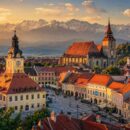
Image generated with Ai
Filipino travellers aiming for European holidays are rapidly focusing on Schengen destinations which have strong visa approval records, like Lithuania, Czech Republic, Iceland, Latvia, Greece, Finland, the Netherlands, Switzerland, Spain and France are among the most discussed options for successful applications. The current analysis of European Commission visa data, consular trends and all applicant experiences reveals that Filipino passport holders get a comparatively strong approval record, with Philippine-based applications holding an estimated overall approval level of around 94%, much greater than the global Schengen refusal average. However, travel experts and visa authorities underline that the correct destination choice must always match the actual itinerary, as documentation quality, financial stability and proof of return remain the decisive factors behind visa decisions.
Europe remains one of the fastest-growing long-haul travel markets for Filipinos, driven by demand for cultural tourism, heritage experiences, luxury holidays, family visits and multi-country European journeys. As interest in European travel rises, understanding which Schengen countries offer favourable approval trends has become an important part of trip planning. The Schengen Area operates under a common visa framework that allows travellers with an approved short-stay visa to visit multiple participating European countries, subject to the conditions of the visa issued.
While some countries appear more accessible because of high approval percentages or lower application volumes, there is no official “easy Schengen visa” category. Every application is assessed individually under common rules.
Recent rankings compiled from visa statistics and applicant feedback highlight several European countries that Filipino travellers often consider when planning Schengen applications.
Advertisement
Advertisement
| Rank | Country | Estimated Approval Trend for Filipino Applicants | Main Travel Appeal |
|---|---|---|---|
| 1 | Lithuania | 97%–98% | Efficient processing, Baltic heritage, Vilnius tourism |
| 2 | Czech Republic | 95%–98% | Prague attractions, historic Europe experience |
| 3 | Iceland | Around 97% | Natural landscapes, efficient visa handling reputation |
| 4 | Latvia | 95%–97% | Riga architecture, Baltic cultural tourism |
| 5 | Greece | 95%–97% | Mediterranean holidays, islands and ancient heritage |
| 6 | Finland | 95%–97% | Nordic tourism, nature and winter experiences |
| 7 | Netherlands | 94%–96% | Strong connectivity, Amsterdam gateway |
| 8 | Switzerland | 94%–95% | Alpine tourism, luxury travel, scenic journeys |
| 9 | Spain | Around 94% | Cultural links, beaches, heritage destinations |
| 10 | France | 91%–93% | Global tourism leader, Paris and cultural attractions |
These figures represent reported approval trends and applicant observations rather than guaranteed outcomes. Actual visa decisions depend on individual circumstances and consular assessment.
Lithuania has gained attention among Filipino travellers because of its reported high approval trends and reputation for relatively straightforward processing. The Baltic nation offers a different European experience compared with traditional destinations such as France, Italy and Spain. Vilnius, Lithuania’s capital, combines medieval streets, historic architecture and cultural attractions, making it increasingly attractive for travellers seeking affordable and less crowded European destinations.
One factor contributing to Lithuania’s popularity is its smaller application volume compared with major Western European tourism markets. Lower demand can sometimes result in shorter appointment availability and smoother administrative handling. However, travellers cannot simply choose Lithuania because of its approval reputation. The application must reflect genuine travel plans, including accommodation, transportation arrangements and the length of stay.
Although Baltic countries often receive attention in “easiest visa” discussions, the Netherlands remains one of the most practical destinations for Filipino applicants because of its established consular infrastructure and strong tourism connections. The Netherlands handles a significant number of Schengen applications globally and remains one of Europe’s most important travel gateways. Official Schengen statistics track applications and decisions by destination country, showing major differences in application volumes between member states.
For Filipino travellers, Amsterdam provides easy access to wider European journeys, making the Netherlands a popular starting point for multi-country itineraries. The country’s appeal extends beyond visa processing. Amsterdam’s canals, museums, historic neighbourhoods and transport connections make it a major tourism hub. Recent applicant-focused analyses have highlighted the Netherlands as one of the destinations with a high approval percentage among Filipino applicants.
The Czech Republic remains a favourite among Filipino travellers because of Prague’s internationally recognised heritage attractions. The city’s castles, historic squares and architecture make it one of Central Europe’s strongest tourism destinations. Iceland attracts a different category of travellers. Its volcanic landscapes, glaciers, waterfalls and northern lights experiences continue increasing demand among adventure and nature-focused visitors.
Latvia offers another Baltic option, with Riga providing historic architecture, cultural attractions and a gateway to northern European exploration. These countries frequently appear in discussions about favourable Schengen visa outcomes because they generally receive fewer applications than tourism giants such as France and Spain. However, lower application numbers do not automatically mean easier approval. Consulates continue applying strict checks on financial capacity, travel purpose and applicant credibility.
Traditional European destinations remain highly popular among Filipino travellers despite differences in application volume.
Greece combines strong visa approval trends with exceptional tourism appeal. The country’s islands, ancient monuments and Mediterranean coastline continue attracting visitors from across Asia. Athens, Santorini, Mykonos and Crete remain among the most recognised destinations for international holidaymakers.
Finland attracts travellers seeking Nordic experiences, winter tourism, forests, lakes and unique natural landscapes. Its organised administrative systems and reputation for efficient processing contribute to its popularity among applicants.
Switzerland remains a premium European destination because of its Alpine scenery, luxury tourism products and world-famous rail journeys. Destinations including Zurich, Geneva and the Swiss Alps continue attracting Filipino leisure travellers.
Spain holds special significance for Filipino visitors because of historical connections and cultural familiarity. Barcelona, Madrid, Seville and coastal destinations continue driving tourism demand, while Spanish heritage sites appeal to travellers seeking cultural experiences.
France remains one of the world’s most popular tourism destinations and one of the largest Schengen visa markets. Paris, the French Riviera, museums, fashion districts and historic landmarks continue making France a top choice for Filipino travellers. High demand also means France receives a large number of applications, which can influence appointment availability and processing timelines.
The idea of an easiest Schengen visa country requires careful interpretation. A country with a high approval rate does not guarantee approval for every applicant. Visa decisions are based on whether the traveller demonstrates a genuine purpose of travel and meets all requirements. The biggest difference between destinations is often application volume. Major tourism countries such as France and Spain receive significantly higher numbers of applications, while smaller Baltic and Nordic destinations may process fewer cases. This can affect appointment availability and administrative timelines but does not remove the requirement for complete documentation.
One of the most important rules for Filipino travellers is the Schengen main destination requirement. Applicants must submit their visa request to the country where they will spend the greatest number of days. For example, a traveller planning a 12-day journey with seven days in France and five days in Switzerland should generally apply through France. If the traveller spends equal time across multiple countries, the application should normally be submitted to the country of first entry. Applying through a country only because it appears to have a higher approval rate can create problems if the actual itinerary does not match the visa application.
| Requirement | Current Information | Impact on Filipino Applicants |
|---|---|---|
| Adult visa fee | €90 | Higher travel preparation costs |
| Child visa fee (6–12 years) | €45 | Reduced fee category |
| Travel insurance | Minimum €30,000 coverage | Must cover entire Schengen journey |
| Application process | Digital transition underway, biometric submission remains common | Physical appointments still required in many cases |
| Financial proof | Bank records and income evidence required | Stable financial history is important |
The European Union continues modernising Schengen visa procedures through digitalisation initiatives, but applicants still need to complete required identity verification steps during the transition period.
Despite strong approval trends, some applications are refused because of common weaknesses.
Financial capacity remains one of the most closely reviewed areas. Large unexplained deposits shortly before application submission may raise concerns. Consulates typically prefer consistent banking activity showing stable income and savings patterns.
Applicants must provide insurance meeting Schengen requirements, including minimum medical coverage of €30,000 and validity across the entire travel period.
Applicants need to demonstrate strong connections to their home country. Employment records, approved leave documents, business ownership, property records and family responsibilities can support evidence of return.
Inconsistent flight reservations, accommodation details and travel dates can weaken an application. A realistic itinerary matching the visa destination remains essential.
The increasing demand in Schengen visas highlights the growing importance of Europe within the Filipino outbound travel market. Lithuania, the Netherlands, Greece, Spain, France and other European countries continue attracting travellers seeking history, culture, nature and premium experiences.
The latest tourism trends showcase that successful Schengen visa applications are not approved by choosing a single “easy” country. But in that case, approval relies on responsible planning, correct documentation, financial readiness and compliance with European visa rules. For Filipino travellers planning their next European adventure, the strongest strategy remains choosing the correct destination, building a transparent application and presenting clear evidence of genuine travel intentions.
Advertisement
Tags: easiest Schengen countries for Filipinos, Europe visa approval rate, Filipino travellers Europe, Lithuania Schengen visa, Netherlands Schengen visa
Advertisement
Advertisement












Wednesday, September 2, 2026
Wednesday, September 2, 2026

Wednesday, September 2, 2026

Wednesday, September 2, 2026

Wednesday, September 2, 2026

Tuesday, September 1, 2026

Wednesday, September 2, 2026

Wednesday, September 2, 2026