
Bosnia Aligns With Croatia And More Balances Voting Impact While Traversing Balkan Heritage Horizons

Published
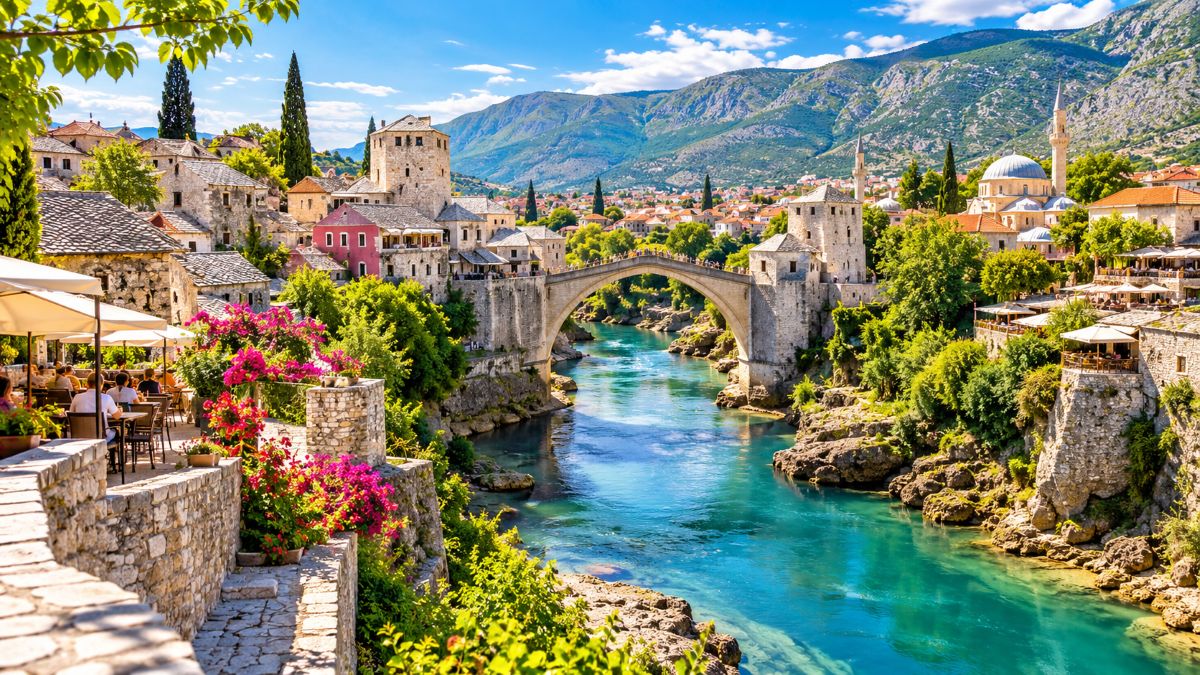
Image generated with Ai
International travellers navigating the picturesque corridors of the Western Balkans encounter a complex socio-political landscape today as Bosnia and Herzegovina conducts pivotal general elections. The electoral process, involving approximately 3.4 million registered voters, determines the composition of the country’s tripartite presidency, national parliamentary representation, and regional governance across the Bosniak-Croat Federation and Serb-dominated Republika Srpska. Amid ongoing geopolitical tensions and contested leadership dynamics, international visitors continue to explore the scenic valleys, historic architecture, and diverse cultural monuments that define this historic European destination.
For visitors moving between the Ottoman-era alleys of Sarajevo and the Austro-Hungarian boulevards of regional centres, everyday hospitality persists alongside heated domestic debates. While seasoned observers track regional alignment patterns connecting the nation with neighbouring Croatia, Serbia, and wider European institutions, travel networks remain fully operational. Modern biometric identification and digital scanning procedures introduced across domestic polling centres represent an effort toward greater electoral transparency, offering reassurance regarding public administration and societal stability to foreign holidaymakers, cultural researchers, and overland tour operators navigating cross-border itineraries across the Balkan peninsula.
Navigating Cultural Corridors During National Elections
Independent globetrotters venturing across southeastern Europe often discover that regional ballots reveal deeply layered local history rather than presenting practical hurdles for daily exploration. Bosnia and Herzegovina boasts an extraordinary mosaic of sacred architecture, Ottoman bridges, and alpine trails that continue to welcome international explorers during significant democratic milestones. Across prominent transport hubs in Sarajevo, Tuzla, and Banja Luka, domestic schedules and public transit systems maintain regular services while regional administrators coordinate the democratic process.
Cultural itineraries often incorporate meaningful excursions into historical memory, where past conflicts provide solemn educational context for visiting historians and inquisitive travellers alike. Modern tourism operators report that local hospitality providers remain intensely welcoming, separating internal legislative frustrations from their routine interactions with foreign visitors. The preservation of world-renowned sites, such as Mostar’s iconic stone bridge and Sarajevo’s historic Bascarsija quarter, underscores how tourism acts as an enduring bridge between diverse communities despite shifting partisan rhetoric.
Advertisement
Advertisement
Cross-Border Transit and Entity Boundary Dynamics
Traversing the internal demarcation between the Federation of Bosnia and Herzegovina and Republika Srpska is entirely seamless for international journey planners. No domestic passport checks exist along inter-entity lines, allowing coach services, rental cars, and organized cultural excursions to cross freely between administrative territories. While political leaders debate administrative jurisdictions and constitutional oversight, tourists routinely experience uninterrupted movement through dramatic river canyons, mountain passes, and regional national parks.
Regional route connectivity remains tightly aligned with transport infrastructure in neighbouring Croatia, establishing vital transit corridors toward Adriatic coastal resorts and European motorway networks. Border crossing posts along key arteries such as Gradiska, Neum, and Slavonski Brod operate under standard customs agreements, ensuring logistical stability for international overland logistics. Travellers crossing regional boundaries benefit from understanding administrative frameworks, which facilitate straightforward access to heritage landmarks situated across both constituent entities.
Advertisement
Advertisement
| Region or Entity | Administrative Centre | Primary Heritage Attractions | Transport and Access Status |
| Federation of Bosnia and Herzegovina | Sarajevo | Bascarsija, Old Bridge Mostar, Una National Park | Fully operational road and rail transit networks |
| Republika Srpska | Banja Luka | Kastel Fortress, Visegrad Bridge, Sutjeska National Park | Unrestricted cross-entity transit via main highways |
| Brcko District | Brcko | Sava River Esplanade, Renaissance Architecture | Open inter-entity transport hub with full civic access |
European Integration and Tourism Infrastructure Investments
Sustained interest in European Union accession provides a meaningful impetus for the modernisation of national leisure amenities and transport assets. Significant funding directed toward cross-border trail systems, including the famous Via Dinarica hiking network, illustrates how regional integration elevates eco-tourism across remote mountain villages. Despite slow progress in diplomatic reform negotiations, structural investments continue to upgrade municipal airports, improve English-language visitor information, and expand eco-certified rural accommodations.
International hoteliers and local hospitality collectives consistently advocate for constructive civic dialogue, recognising that reliable governance directly influences long-term tourism expansion. Travellers supporting local bed-and-breakfast properties, independent guides, and family-owned restaurants play a decisive role in empowering residents who seek sustainable prosperity beyond divisive political narratives. This dynamic confirms that grassroots enterprise remains a powerful stabilizing influence throughout regional communities.
Essential Practical Advice for Balkan Explorers
Visitors planning excursions during regional election cycles benefit from straightforward preparation and basic spatial awareness. While election gatherings and political party rallies occur within major town squares, these events remain domestic in character and are easily avoided by tourists seeking quiet cultural sightseeing. Independent travellers are encouraged to monitor verified public transport schedules, maintain local currency alongside credit cards for smaller transactions, and respect historic monuments that hold profound remembrance for local communities.
Maintaining respectful discourse when discussing historical topics with residents ensures meaningful and positive exchanges throughout any Balkan journey. Embracing local traditions of coffee consumption, culinary discovery, and artisanal craftsmanship allows guests to perceive the profound resilience and warmth of everyday communities. With balanced planning, exploring Bosnia and Herzegovina during a watershed political moment offers rare insight into a resilient nation forging its democratic path amid extraordinary natural and cultural surroundings.
Frequently Asked Questions
Is it currently safe to travel across Bosnia and Herzegovina during elections?
Yes, travel remains safe throughout the country as electoral events are domestic and peaceful, with transport networks, hotels, and attractions operating as usual.
Advertisement
Advertisement
Do international tourists encounter border checkpoints between the two internal entities?
No, there are no physical checkpoints or passport controls between the Federation of Bosnia and Herzegovina and Republika Srpska.
Can tourists freely visit heritage sites in both major entities?
Yes, historic landmarks, national parks, and heritage museums in both entities are open to international tourists without administrative travel restrictions.
Are electronic payment methods widely accepted in major destinations?
Credit cards are standard in urban hotels and larger restaurants, though carrying cash in convertible marks is advisable for rural stops and small shops.
Advertisement
Advertisement
How do current political debates affect overland transit to Croatia?
Cross-border transit remains regular, with standard immigration procedures operating efficiently at all major international border points connecting with Croatia.
Are guided heritage tours running normally in Sarajevo and Mostar?
Yes, professional walking tours, museum visits, and regional excursion services continue uninterrupted throughout historic urban districts.
What emergency numbers should foreign visitors use in the country?
Tourists can contact police by dialling 122, the ambulance service via 124, and the national fire brigade through 123 from any domestic telephone.
Advertisement
Advertisement
Does public transport operate regular schedules on election weekends?
National rail services, regional coach lines, and international flights maintain standard timetables without election-related cancellations.
Is English widely spoken among tourism workers and transport staff?
English is widely understood by hospitality personnel, museum staff, and younger generations across major travel hubs and urban centres.
What constitutes appropriate visitor etiquette when visiting wartime memorial sites?
Travellers should dress modestly, maintain quiet decorum, follow posted photography rules, and avoid making unsolicited commentary on sensitive historical events.
Advertisement
