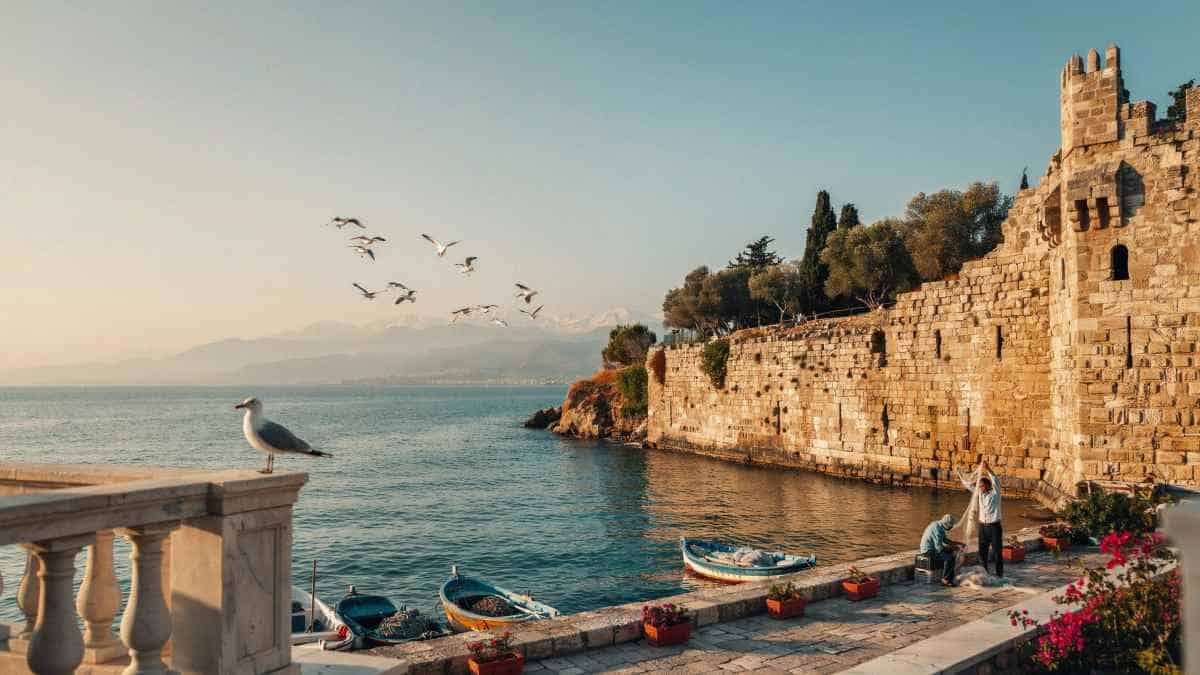
Image generated with Ai
Lebanon is reinforcing its reputation as one of the Middle East’s richest cultural destinations by placing its ancient heritage at the centre of its tourism strategy. While the country continues to navigate regional challenges, its archaeological treasures, historic landmarks and internationally recognised cultural exhibitions are helping sustain global interest in Lebanese history and encouraging visitors to rediscover destinations that have shaped civilisations for thousands of years.
From the ancient port city of Byblos to the spectacular limestone chambers of Jeita Grotto and the hilltop sanctuary of Harissa, heritage tourism remains one of Lebanon’s strongest travel pillars. Complementing these iconic attractions, international exhibitions such as “Byblos, Millennial City of Lebanon” are introducing global audiences to the country’s archaeological legacy, ensuring Lebanon remains visible on the world cultural stage even beyond its borders.
One of the most significant developments supporting Lebanon’s cultural profile is the international exhibition “Byblos, Millennial City of Lebanon.”
The exhibition showcases archaeological discoveries, prehistoric artefacts and historical narratives connected with one of the world’s oldest continuously inhabited cities. By presenting Lebanon’s heritage to international audiences, the exhibition helps maintain awareness of the country’s remarkable history while encouraging future cultural tourism.
Advertisement
Advertisement
Such exhibitions play an increasingly important role in destination marketing. Rather than promoting beaches or resorts alone, they tell the story of Lebanon as a cradle of civilisation, highlighting centuries of trade, culture, religion and artistic achievement.
For international travellers interested in archaeology and history, these initiatives reinforce Lebanon’s standing as a destination where ancient civilisations remain part of the modern travel experience.
At the heart of Lebanon’s cultural tourism offering is Byblos (Jbeil), a UNESCO World Heritage Site renowned for its exceptional historical significance.
The city has witnessed the rise and fall of multiple civilisations, from the Phoenicians and Romans to the Crusaders and Ottomans. Visitors can walk through archaeological ruins, explore the historic harbour and wander the traditional souks that continue to reflect the city’s enduring character.
Advertisement
Advertisement
One of the most visited landmarks is Byblos Castle, a medieval fortress built during the Crusader period using stones from earlier Roman structures. The castle offers panoramic views of the Mediterranean while serving as a reminder of the city’s strategic importance throughout history.
Together, the archaeological site, castle and old town create one of Lebanon’s most complete heritage experiences.
While archaeology attracts history enthusiasts, Jeita Grotto demonstrates that Lebanon’s heritage extends beyond ancient monuments.
Often regarded as one of the country’s most iconic natural attractions, the cave system features spectacular limestone formations, underground rivers and vast chambers formed over millions of years.
Visitors typically experience the grotto through guided tours that combine walking paths with boat rides across the lower cave, offering an unforgettable glimpse into Lebanon’s geological history.
The attraction remains a favourite for families, photographers and international tourists seeking experiences that blend nature with education.
Overlooking the Bay of Jounieh, Harissa is another cornerstone of Lebanon’s tourism landscape.
Home to the Our Lady of Lebanon shrine, Harissa welcomes pilgrims, sightseers and photographers throughout the year. Visitors often reach the hilltop via the famous téléphérique (cable car), which provides sweeping views of the Mediterranean coastline and surrounding mountains.
The destination combines religious significance with scenic beauty, making it one of the country’s most recognisable landmarks for both domestic and international travellers.
Many visitors pair Harissa with nearby coastal attractions, creating a varied day trip that blends spirituality, leisure and sightseeing.
Tour operators and local guides continue offering classical itineraries linking Lebanon’s most celebrated heritage destinations.
A typical day journey may begin at Jeita Grotto, continue to Harissa for panoramic coastal views and conclude in Byblos, where travellers can explore the castle, archaeological ruins, harbour and historic markets.
These carefully curated routes provide visitors with a broad introduction to Lebanon’s natural, cultural and historical diversity without requiring extensive travel times.
The accessibility of these attractions makes them particularly appealing to diaspora visitors returning to reconnect with their heritage, as well as international tourists with limited time.
Lebanon’s emphasis on heritage conservation also delivers tangible economic benefits.
Hotels, guesthouses, restaurants, artisan workshops, museums and licensed guides all benefit from steady visitor flows to cultural destinations. Local markets surrounding heritage sites provide opportunities for traditional crafts, regional cuisine and family-owned businesses to thrive.
By preserving archaeological landmarks while promoting responsible tourism, Lebanon aims to ensure that its cultural legacy continues generating opportunities for future generations.
Visitors planning heritage-focused trips should check the operating hours of archaeological sites, museums and cable car services before travelling.
Booking guided tours can provide deeper historical insights into landmarks such as Byblos Castle and Jeita Grotto while supporting licensed local tourism professionals.
Travellers should also consult the latest official travel advisories issued by their respective governments and follow local guidance during their visit.
Why is Byblos important to Lebanon’s tourism industry?
Byblos is a UNESCO World Heritage Site renowned for its archaeological significance, historic harbour and medieval castle.
What can visitors experience at Jeita Grotto?
Visitors can explore spectacular limestone caves, underground rivers and geological formations through guided tours.
Can travellers visit Jeita Grotto, Harissa and Byblos in one day?
Yes. These attractions are commonly combined into organised day trips due to their relative proximity.
Lebanon’s rich archaeological legacy continues to define its global tourism identity. By combining international cultural exhibitions with world-renowned destinations such as Byblos, Jeita Grotto and Harissa, the country is preserving its past while inspiring future travel. As heritage tourism remains a cornerstone of Lebanon’s visitor economy, these historic landmarks continue offering travellers an opportunity to experience thousands of years of civilisation, culture and natural beauty within a single journey.
Advertisement
Tags: Byblos, Byblos Castle, Byblos tourism, Harissa, Harissa Lebanon
Advertisement
Advertisement












Wednesday, September 2, 2026

Wednesday, September 2, 2026

Wednesday, September 2, 2026

Wednesday, September 2, 2026

Wednesday, September 2, 2026
Tuesday, September 1, 2026

Wednesday, September 2, 2026

Wednesday, September 2, 2026