
India Faces New US Tourism Challenge As Outbound Travel Growth Changes Visitor Choices In 2026

Published
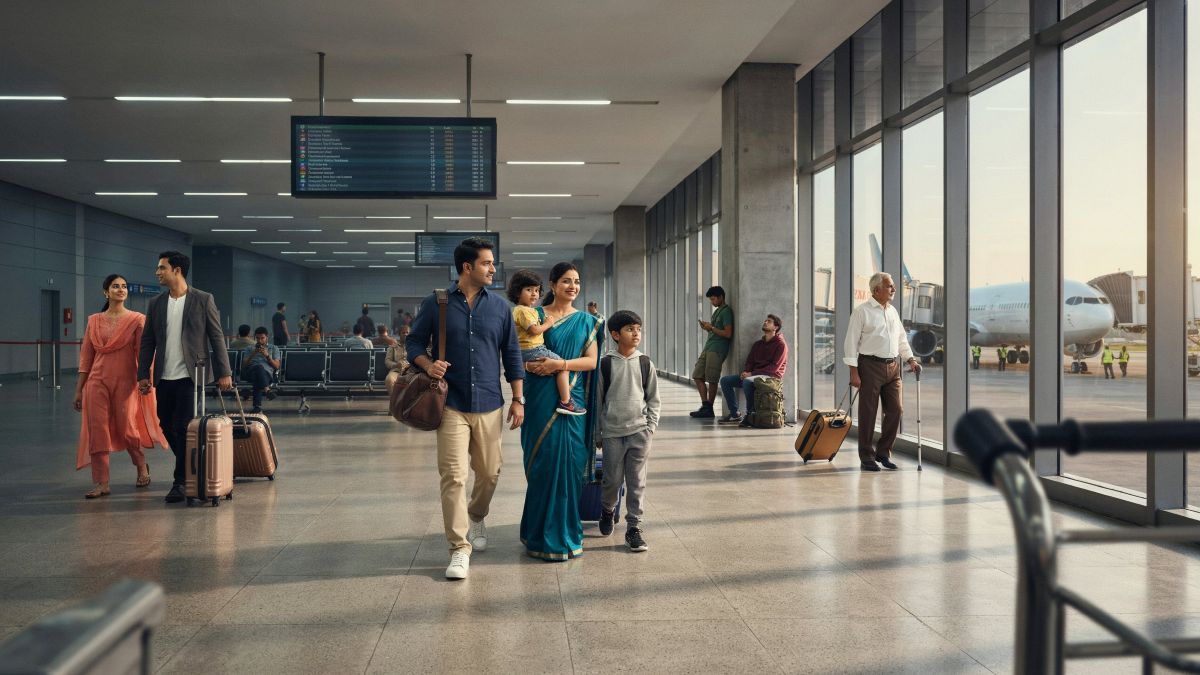
India to Pose a New US Tourism Challenge due to Outbound Travel Trend as Changing Visitor Behaviour Takes Shape in 2026 as the world tourism trends keep changing. The Indian outbound travel sector is on the rise, but US tourism industry must be ready to cope with a new challenge in 2026 because of changing visitor behaviour. As it can be seen from recent trends, Indians have been travelling across the globe and the choice of visitors is shaping up a new trend in the demand for global travels.
India’s Growing Outbound Travel Market Creates A Major Global Opportunity
India has become one of the most important outbound tourism markets in the world. Millions of Indian travellers are now looking beyond traditional destinations and exploring new international experiences.
The rise of India’s middle class, stronger aviation connectivity, increasing disposable income and growing interest in global experiences have transformed Indian outbound travel.
India recorded 32.83 million international departures in 2025, increasing 6.3% compared with the previous year. This growth shows that Indian travellers remain highly active in international tourism.
Advertisement
Advertisement
However, this growth is not equally benefiting every destination.
The US decline does not indicate that Indians have reduced international travel. Instead, it highlights a shift in destination preference. Indian travellers are still travelling abroad, but their destination choices are becoming more competitive and diverse.
Advertisement
Advertisement
Countries across Asia, Europe and the Middle East continue attracting Indian visitors through easier connectivity, tourism campaigns, cultural links and improved travel experiences.
For the US, India remains a strategically important market. Indian visitors are among the highest-value international travellers because of longer stays, family visits, education-related travel and business connections.
US Sees Eight Consecutive Months Of Decline From Indian Visitors
The biggest change in 2026 has been the continuous decline in Indian arrivals to the United States.
Visitor arrival figures measure qualifying arrivals based on country of residence and do not represent unique individual tourists. However, they provide an important indication of travel movement between India and the US.
Between January and August 2026, India recorded 1.335 million qualifying US visitor arrivals. This was 10.2% lower than the same period in 2025.
Every available month during this period remained below the previous year’s level.
Advertisement
Advertisement
The decline affected different travel purposes differently.
Student arrivals experienced the sharpest fall, decreasing by 27.8%. Pleasure travel declined by 9.1%, while business travel dropped by 3.8%.
The difference between travel categories shows that the slowdown is not driven by one single factor. Different groups of travellers are responding to changing conditions in different ways.
Student travel is especially important because India remains one of the largest sources of international students for the United States. Changes in education decisions, costs, visa processing experiences and alternative study destinations can influence this segment.
Meanwhile, leisure travellers are also becoming more selective. Indian tourists now compare destinations based on price, convenience, experiences, visa access and flight availability.
US Tourism Still Holds Strong Appeal Among Indian Travellers
Despite the decline in 2026, India remains one of the most valuable overseas markets for the United States.
Advertisement
Advertisement
The US has benefited from strong demand from Indian visitors for many years. Indian travellers often combine tourism with family visits, education, business meetings and cultural experiences.
This creates a wider economic impact across airlines, hotels, restaurants, shopping districts and local attractions.
Indian visitors contribute significantly to the American tourism economy because they often stay longer and spend across multiple travel categories.
The US continues to attract Indian travellers through its famous destinations, including major cities, national parks, entertainment hubs and educational centres.
However, the global tourism industry has become more competitive. Strong reputation alone is no longer enough to guarantee continuous visitor growth.
Destinations must understand traveller needs and create smoother, more attractive travel experiences.
Advertisement
Advertisement
Changing Travel Preferences Are Reshaping Indian Tourism Decisions
Indian travellers today have more international options than ever before.
The global travel market has become highly competitive. Destinations are investing heavily in attracting Indian visitors through better air connectivity, digital travel services, cultural experiences and targeted tourism campaigns.
Indian travellers increasingly look for value, convenience and memorable experiences.
Short-haul destinations benefit from easier access and shorter flight times. Asian destinations often attract Indian visitors through cultural familiarity, affordable travel options and strong connectivity.
Middle Eastern destinations have gained attention because of their major airline networks and convenient stopover opportunities.
European destinations continue attracting Indian tourists through heritage tourism, luxury experiences and seasonal travel opportunities.
Advertisement
Advertisement
The US remains attractive because of its iconic destinations, educational opportunities and strong Indian community connections. However, travellers now compare the complete journey before making decisions.
Factors such as travel costs, flight availability, visa processes and overall convenience influence final choices.
The decline in US arrivals from India shows how competitive the global tourism environment has become.
Visa Experience Remains A Key Factor For International Travellers
Visa processing remains an important part of international travel planning.
For many travellers, the visa process affects confidence, timing and destination decisions.
However, visa operations alone cannot explain changes in visitor numbers. Travel behaviour depends on many factors, including economic conditions, airline capacity, traveller confidence, education choices and changing destination preferences.
Advertisement
Advertisement
For Indian travellers, the visa journey forms part of the overall travel experience.
Destinations that provide clear information, efficient systems and predictable processes often create stronger traveller confidence.
The US continues welcoming international visitors, but global competition means every part of the travel journey matters.
From planning and booking to arrival and local experiences, travellers increasingly expect smooth and convenient services.
The US Faces A New Challenge In A Rapidly Expanding Indian Market
The decline in Indian arrivals creates a strategic challenge for US tourism leaders.
India is not a shrinking travel market. It is expanding rapidly.
Advertisement
Advertisement
The important difference is that growth in Indian outbound travel does not automatically translate into growth for every destination.
Countries must actively compete for Indian travellers.
The US has major advantages. It offers globally recognised cities, natural landscapes, entertainment, education and business opportunities.
However, maintaining strong demand requires understanding how Indian travellers are changing.
Young travellers are searching for unique experiences. Families are looking for convenience and value. Students are comparing international education opportunities carefully. Business travellers are focusing on efficiency and connectivity.
Tourism strategies must adapt to these changing expectations.
Advertisement
Advertisement
India’s Travel Growth Signals A New Era Of Global Tourism Competition
India’s outbound travel expansion represents one of the biggest changes in global tourism.
A growing number of Indian travellers are exploring destinations worldwide. Their choices are influencing airline routes, hotel investments and tourism marketing strategies.
The US visitor decline in 2026 highlights a wider industry trend.
Tourism success now depends on continuous improvement. Established destinations must keep adapting to changing traveller expectations.
The relationship between India and the US tourism market remains important. The current decline does not reduce India’s importance as a source market. Instead, it shows that destinations must work harder to attract Indian visitors.
The future of international tourism will depend on understanding traveller behaviour, improving accessibility and creating experiences that match modern demand.
India’s outbound travel market is still growing, with Indian tourists travelling to destinations all around the world with ease. By 2026, there will be a new scenario, whereby US tourism will face challenges with visitor arrivals. India’s outbound travel boom does not stop since visitors will keep on looking for opportunities to visit other destinations all around the world. The reduction in US visitor arrivals depicts this new travel challenge, which occurs up to 2026. This tourism challenge prompts destinations to take into consideration the tastes and preferences of Indians. It is becoming increasingly competitive each year in the world of tourism.
Advertisement
