
Hermanus Brings Southern Right Whales, Coastal Luxury and Wine Country Into Focus

Published
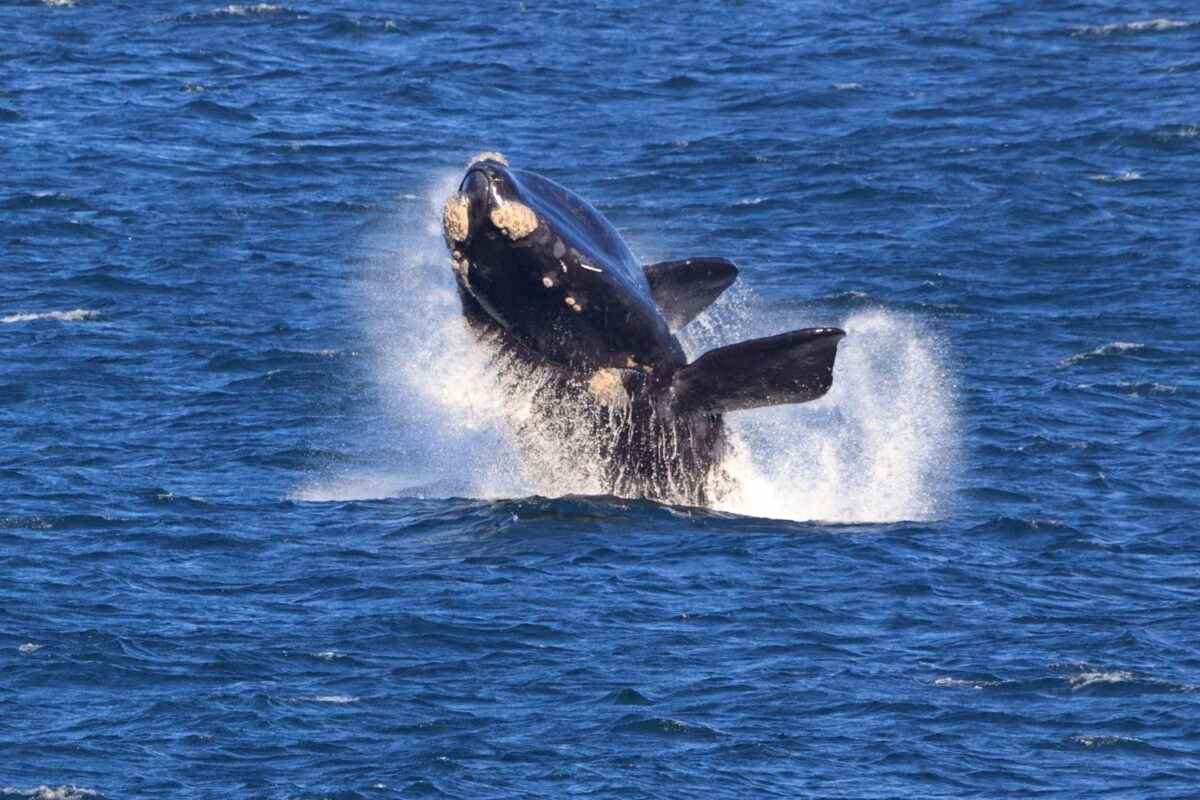
The town of Hermanus, in South Africa, is approaching the peak period of whale watching as Southern Right Whales migrate to Walker Bay. From the cliffs along the dramatic coastline in the Western Cape province, guests can observe the huge marine creatures as they visit the region, with the opportunity for additional activities on land such as wineries and luxury lodges. As a result, the suggested date range of September 28 to October 1, 2026, for the Hermanus Whale Festival Peak Migration Finale positions the theme of marine wildlife tourism and coastal tourism in a spring itinerary. The official dates for the Hermanus Whale Festival are set for October 2-4, 2026; thus, the suggested dates cannot be mistaken for those of the official programme.
Walker Bay Brings Whales Close to the Shore
Walker Bay is among the best-known locations for land-based whale watching in South Africa. Southern Right Whales arrive along the Cape Whale Coast from around June and remain in the region into November, using sheltered waters for breeding and calving.
September and October are important months for sightings, although whale activity changes with weather, sea conditions and the animals’ natural movements. Breaching, tail-lobbing and other surface behaviour can sometimes be observed from shore, but no particular display or close encounter can be guaranteed.
Hermanus’s cliff path provides a series of viewing points above the bay. Gearing’s Point and the Old Harbour are among the locations where visitors can scan the water, while the wider coastal route offers views of the Atlantic and surrounding mountains.
Advertisement
Advertisement
The experience is distinctive because visitors do not necessarily need a boat to see whales. Land-based viewing allows people to observe marine life while reducing the need for additional vessel traffic.
The Whale Crier Gives Hermanus a Distinctive Identity
Hermanus is known for its traditional Whale Crier, who uses a kelp horn to alert visitors when whales are sighted. The practice has become part of the town’s tourism identity, connecting wildlife observation with a local form of public communication.
Advertisement
Advertisement
The sound of the horn along the waterfront adds a human dimension to the whale-watching experience. Visitors can follow the announcement towards a viewing point, although sightings remain dependent on conditions and the whales’ location.
The town’s annual Whale Festival also brings together marine education, environmental awareness, local culture and entertainment. The 2026 festival is scheduled for October 2–4, placing it just after the proposed September 28–October 1 travel window.
Advertisement
Advertisement
Hemel-en-Aarde Adds a Wine Country Dimension
Beyond the coastline, the Hemel-en-Aarde Valley offers a different landscape of vineyards, mountain slopes and cool Atlantic influences. The area is particularly associated with Pinot Noir and Chardonnay, with wine estates offering tastings, food experiences and views across the valley.
For luxury travellers, a day can combine morning whale watching with an afternoon at a vineyard. The contrast between the open sea and sheltered wine country gives Hermanus a broader appeal than a conventional coastal break.
Estate restaurants and tasting rooms provide opportunities to explore regional produce alongside wines shaped by the area’s maritime climate. Pinot Noir is especially associated with the valley, where cooler conditions support the grape’s style.
Coastal Dining Connects Marine Produce With Local Cuisine
Hermanus’s food scene draws on seafood, regional farms and the Western Cape’s wider culinary identity. Abalone is part of the area’s marine food story, although responsible sourcing is essential because wild stocks have faced severe pressure from overharvesting and poaching.
Advertisement
Advertisement
Visitors can learn about the species through guided abalone farm experiences, which explain cultivation, biology and the history of the industry. Such visits add context to a meal and connect culinary tourism with marine resource management.
Coastal restaurants, vineyard kitchens and boutique lodges offer different settings for regional dining. For travellers seeking a premium itinerary, these experiences can be paired with wine tastings and guided nature activities.
Luxury Stays Extend the Marine Experience
The Western Cape’s premium tourism offer includes cliffside accommodation, boutique hotels, private villas and lodges overlooking the coast. In Hermanus, these properties allow guests to remain close to the bay while enjoying restaurants, wellness facilities and private transfers.
Helicopter transfers from Cape Town or nearby wine estates may be arranged through specialist operators, depending on weather, landing permissions and availability. However, claims of record autumn occupancy or market-wide growth in private helicopter day trips require verified booking data and should not be treated as established results.
The wider luxury opportunity lies in combining marine wildlife, wine country and accommodation into a carefully planned itinerary rather than relying on a single attraction.
Planning a Hermanus Whale Season Visit
Hermanus is located approximately 120 kilometres from Cape Town, which takes about two hours to travel. Cape Town International Airport serves as the main entrance to the destination, while transfer cars and rental cars can be used to reach the coast. Tourists need to consider the cliff walk, Gearing’s Point, Old Harbour, and the Hemel-en-Aarde wine route. The boat whale watching is dependent on weather conditions since boat trips can be varied or cancelled due to adverse sea conditions. As the festival weekend 2026 comes close, Hermanus combines marine conservation, coastal tourism, and wine tourism in a spring holiday destination where the returning whales of Walker Bay serve as the main attraction.
Advertisement
