
Oman Steps Forward With Qatar And More GCC Nations In Unifying Gulf Tourism With Borderless Visas And Linked Rewards

Published
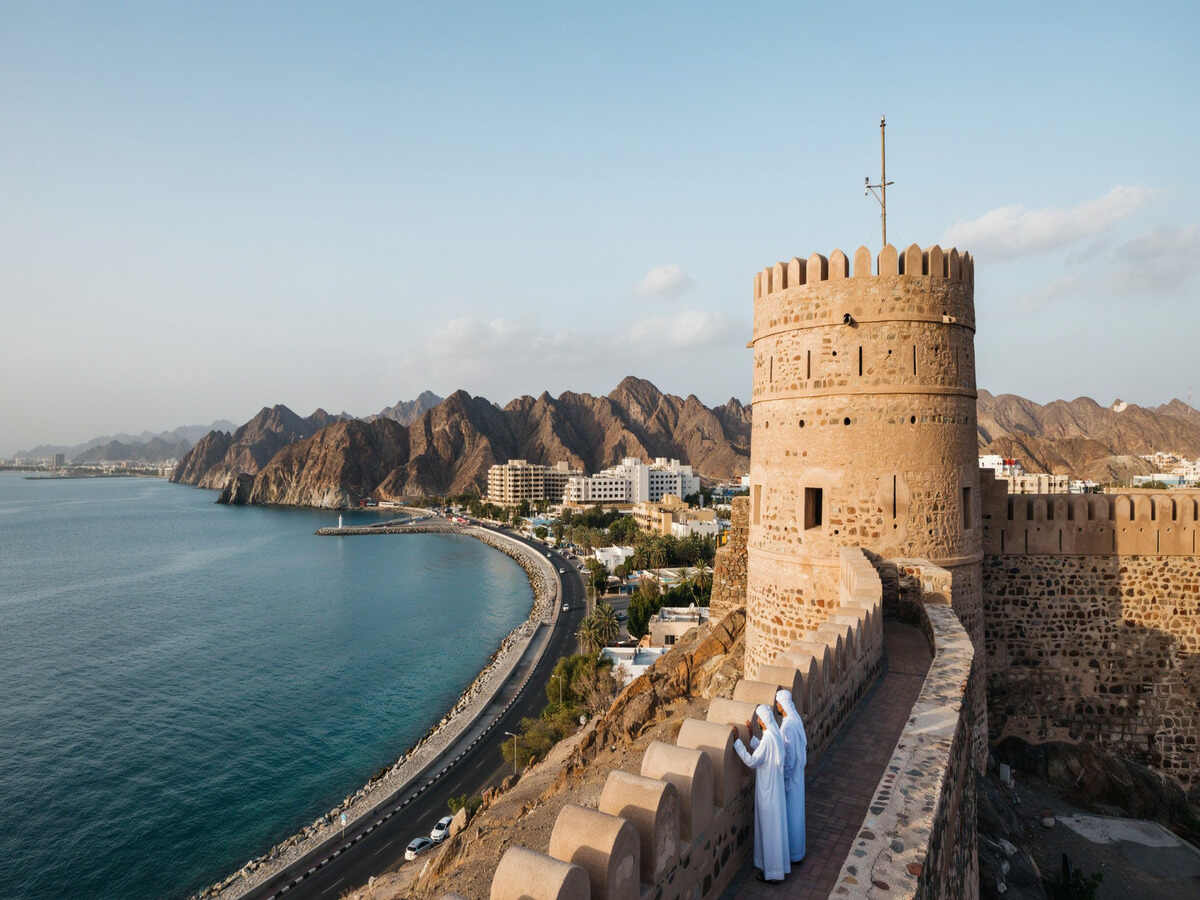
Oman, Qatar, and GCC partners merge travel with one-visa entry, common allegiance, and grand tours. Tourism in the Middle East is facing structural changes. Over many years, the member countries of the Gulf Cooperation Council (GCC), namely Oman, Qatar, UAE, Saudi Arabia, Bahrain, and Kuwait, were separate destinations for tourists and business travelers. However, nowadays, motivated by the requirement of economic diversification in their national visions, these countries are shifting towards regional integration.
Leading this momentum is the Sultanate of Oman, which has aligned with Qatar and regional partners to re-engineer how international and domestic tourists experience the Gulf. By introducing shared B2B ecosystems, interconnected loyalty programs, and the unified “GCC Grand Tours” tourist visa, the region is transitioning from a set of separate stopovers into a single, cohesive travel destination akin to Europe’s Schengen Zone.
Advertisement
Advertisement
Amid global supply chain friction, fluctuating airfares, and shifting long-haul routes, this regional coalition is creating a resilient travel economy. By prioritizing intra-GCC movement, tapping into high-volume Asian source markets like India, and leveraging shared infrastructure, Oman and its neighbors are building a sustainable model for regional tourism.
The Strategic Shift: How Oman Is Driving Regional Integration
Oman’s approach, spearheaded by Visit Oman—the official B2B digital booking platform operating under the Ministry of Heritage and Tourism and the OMRAN Group—focuses on cross-border collaboration rather than isolated destination marketing.
Advertisement
Advertisement
| Travel Stage | Programme / Route | Key Experience | Destinations Covered |
|---|---|---|---|
| Target Travellers | Long-Haul & Asian Transit Passengers | Converts transit traffic into short-stay tourism opportunities | International transit markets |
| Stopover Gateway | Muscat Stopover Programme | 1–3-night packages combining city experiences with nature-based tourism | Muscat and nearby attractions |
| Oman Extension | Domestic Exploration | Encourages stopover visitors to extend their journey across Oman | Salalah, Nizwa and Wadis |
| Regional Extension | GCC Multi-City Tours | Connects an Oman stopover with wider Gulf itineraries | UAE, Qatar and Saudi Arabia |
| Tourism Flow | Transit → Stopover → Multi-Destination Travel | Turns connecting passengers into longer-staying regional visitors | Oman + GCC destinations |
1. Stopover Conversion and Air-Rail Synergies
Rather than relying solely on direct long-haul arrivals, Oman is capturing transit passengers flowing through Muscat International Airport. Co-developed with flag carrier Oman Air, the Muscat Stopover Programme converts layover passengers into short-stay visitors through bundled packages covering 8-hour to 3-night itineraries. These include discounted hotel accommodations, airport transfers, and excursions to cultural landmarks like the Sultan Qaboos Grand Mosque, Mutrah Souq, and the Ad Dimaniyat Islands.
Concurrently, physical infrastructure is keeping pace with digital integration. The development of Hafeet Rail, a high-speed rail network connecting Sohar and Muscat in Oman directly to Abu Dhabi in the UAE, provides a land-based transport alternative that reduces travel friction for cross-border tourists and local residents alike.
Advertisement
Advertisement
2. Micro-Targeting and Climate Diversification
Oman leverages its geographical diversity to attract GCC residents year-round:
- The Summer Khareef Season: While much of the Gulf experiences peak summer heat, the southern province of Dhofar (Salalah) undergoes a monsoon season, bringing mist, lush greenery, and temperatures in the mid-20s (°C), attracting regional families.
- Winter Mountain Retreats: High-altitude destinations such as Jabal Akhdar and Jabal Shams offer cool-climate outdoor adventure and luxury hospitality during the winter months.
3. Deepening the India Source Market
Recognizing shifting global travel demographics, Oman has set a goal to attract 1 million Indian visitors annually. Marketing initiatives target major Indian urban centers, positioning Oman as a primary hub for luxury weddings, corporate MICE events, and eco-adventure travel, supported by direct short-haul flights between Indian aviation hubs and Omani cities.
Advertisement
Advertisement
Country-by-Country: How the GCC Block Is Boosting Tourism
Each member nation brings specific infrastructure, geographical assets, and digital platforms to this regional strategy.
| GCC Grand Tours Visa Destination | Key Tourism Strength / Travel Appeal |
|---|---|
| Saudi Arabia | Giga-projects, heritage destinations and expanding tourism experiences |
| Qatar | Hayya travel ecosystem, culture, events and city tourism |
| UAE | Major international air hubs, luxury tourism and global connectivity |
| Bahrain | Causeway connectivity, coastal attractions and regional events |
| Kuwait | Cultural heritage, museums and emerging visitor experiences |
| GCC Grand Tours Visa | Single digital permit designed to support easier multi-country travel across participating GCC destinations |
State of Qatar: Digital Infrastructure and Cultural Synergy
Qatar has transformed its sports and cultural infrastructure into a continuous tourism driver. Following the expansion of its digital ecosystem, Qatar integrated its Hayya Platform—originally designed for global sporting events—into a streamlined visa portal for international tourists and GCC companions.
Through Discover Qatar and Qatar Airways, the nation offers subsidized stopover packages featuring multi-day hotel stays starting at accessible price points. Qatar’s collaboration with Oman centers on joint marketing initiatives, allowing travelers landing in Doha to easily add cultural and nature itineraries in Muscat and Salalah to their trips.
Kingdom of Saudi Arabia: Mega-Developments and Transit Visas
As the largest landmass in the GCC, Saudi Arabia acts as an anchor for regional tourism under its Vision 2030 framework.
Advertisement
Advertisement
- Giga-Projects: Multi-billion-dollar developments such as NEOM, the Red Sea Project, AlUla, and Diriyah are structured not just as standalone destinations, but as key components of broader regional itineraries.
- 96-Hour Stopover Visas: Flag carrier Saudia and low-cost carrier flynas offer integrated transit visas bundled directly with flight bookings, encouraging international visitors to combine cultural travel with pilgrimage or business.
- Simplified Access: Saudi Arabia has streamlined e-visa access for all GCC residents, making spontaneous cross-border travel standard practice.
United Arab Emirates: Aviation Gateways and Multi-City Bundles
The UAE serves as the primary regional transport hub, utilizing international carriers Emirates and Etihad to channel global traffic into the Gulf.
- Dubai Tourism Strategy: Focuses on cross-promotional partnerships with neighboring boards, packaging Dubai’s retail and urban attractions alongside Oman’s mountain landscapes or Qatar’s cultural museums.
- Abu Dhabi Experience Strategy: Expands cultural and entertainment districts (including the Louvre Abu Dhabi and Yas Island) while investing in regional rail connectivity to facilitate overland entry into Oman.
Kingdom of Bahrain: Cross-Border Drive Travel and Coastal Culture
Bahrain relies on its strategic land connectivity via the King Fahd Causeway to capture high volumes of weekend cross-border visitors from Saudi Arabia. Its national strategy emphasizes heritage tourism, coastal resort developments, and international sporting events like the Formula 1 Gulf Air Bahrain Grand Prix.
State of Kuwait: Cultural Heritage and Infrastructure Upgrades
Kuwait is expanding its airport capacity and investing in cultural heritage districts, coastal developments, and eco-tourism initiatives aimed at capturing regional short-break travel within the northern Gulf corridor.
The Two Engine Pillars: Borderless Visas and Linked Loyalty
The core driver of this joint strategy rests on two primary innovations: a unified visa framework and integrated digital loyalty systems.
| GCC Travel Ecosystem Pillar | Key Features | Traveller & Regional Impact |
|---|---|---|
| Unified Tourist Visa | Single online application | Simplifies entry procedures for international travellers |
| Unified Tourist Visa | Access across all six GCC states | Supports seamless multi-country Gulf itineraries |
| Unified Tourist Visa | Lower overall travel costs | Reduces the need for separate visa applications and related expenses |
| Unified Tourist Visa | Streamlined land and air borders | Makes cross-border movement faster and more convenient |
| Linked Rewards Ecosystem | Cross-border point redemption | Allows travellers to use loyalty benefits across GCC markets |
| Linked Rewards Ecosystem | Bank and airline partnerships | Connects financial and aviation rewards across the region |
| Linked Rewards Ecosystem | Hotel and dining integrations | Extends loyalty benefits beyond flights into the wider visitor economy |
| Linked Rewards Ecosystem | Continuous regional engagement | Encourages repeat travel, longer stays and deeper participation across GCC destinations |
Pillar A: The “GCC Grand Tours” Unified Visa
Modeled after the European Schengen visa system, the GCC Grand Tours visa allows international tourists to visit all six member states under a single permit.
- Streamlined Entry: Travelers complete one digital application instead of applying for separate visas for each country.
- Cost Efficiency: Eliminating multiple entry fees reduces travel costs for families, tour groups, and long-haul visitors, encouraging longer stays and multi-country trips.
- Seamless Logistics: Simplifies customs and immigration procedures at air hubs and land border crossings, such as those connecting Saudi Arabia, the UAE, Oman, and Qatar.
Pillar B: Interconnected Loyalty and Digital Platforms
To complement unified visa entry, GCC tourism boards and private sector stakeholders are linking digital reward ecosystems across national borders.
Advertisement
Advertisement
- Cross-Border Point Redemption: Travelers earn and redeem points across regional airlines, hotel groups, financial institutions, and telecommunication providers. A visitor earning points through a banking partner in Saudi Arabia or Qatar can redeem them directly for boutique accommodations in Oman or dining experiences in the UAE.
- B2B Integration via Visit Oman: Platforms like Visit Oman provide regional tour operators, travel agents, and hospitality providers with real-time access to inventory, dynamic pricing, and joint promotional packages across multiple GCC countries.
Comparative Overview of GCC Tourism Strategies
| Country | Primary Focus Markets | Key Infrastructure & Initiatives | Strategic Target |
| Oman | India, GCC regional, Asian short-haul | Visit Oman platform, Muscat Stopover Programme, Hafeet Rail | Multi-city integration, eco/nature tourism, transit conversion |
| Qatar | Global long-haul, GCC short-break | Hayya Digital Visa Platform, Discover Qatar Stopover | Sports tourism, cultural heritage, transit passenger stays |
| Saudi Arabia | Global luxury, heritage, pilgrimage | Vision 2030 giga-projects (NEOM, Red Sea, AlUla), 96-hr transit visa | Destination scale, cross-border multi-stop travel |
| UAE | Global leisure, MICE, business | Emirates/Etihad network hubs, Dubai Tourism Strategy, Abu Dhabi cultural district | Global connectivity hub, regional transit distribution |
| Bahrain | GCC regional driving traffic, event tourism | King Fahd Causeway expansion, Formula 1, coastal development | High-volume weekend leisure, event-driven visits |
| Kuwait | Regional GCC short-break, cultural travel | Kuwait International Airport expansion, heritage district revival | Cultural tourism, short-haul regional visitation |
Economic Outlook: The Future of Gulf Tourism
The integration of tourism frameworks across Oman, Qatar, and the wider GCC marks a strategic shift from destination competition to regional cooperation. By building a unified ecosystem driven by the GCC Grand Tours visa, connected loyalty rewards, and cross-border infrastructure projects like Hafeet Rail, the region is positioning itself as a seamless, world-class travel hub.
Oman, Qatar, and their GCC partners join hands to connect travel in the region through seamless grand tours, single visa, and even linked loyalty programs.
For the Sultanate of Oman, this partnership ensures an unwavering supply of short haul and transit visitors, while at the same time making inroads into booming Asian markets. As these networks mature, the Gulf region is very well poised to be one of the most connected destinations for tourism.
Advertisement
